
Applying bandages for weight loss is unreliable, lacks scientific basis, and may pose a risk of skin damage. Weight loss can be achieved through a balanced diet and exercise. The main function of
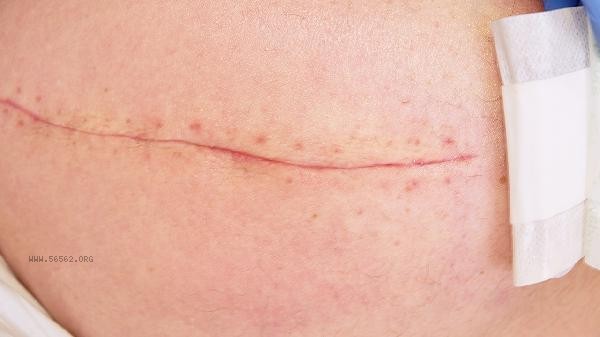
wound dressings is to protect small wounds from external pollution and friction, and their materials are usually poorly breathable adhesive tape and absorbent pads. Some businesses claim that bandages promote weight loss by compressing acupoints or releasing medication ingredients, but existing medical research has not confirmed their effectiveness. Long term coverage of the skin with non breathable materials may lead to local sweat accumulation, causing problems such as contact dermatitis and folliculitis. If the bandage contains unknown drug ingredients, it may also cause allergic reactions or damage to the skin barrier. In some individual cases, users may experience blood circulation obstruction, skin bruising or necrosis due to improper pasting methods. Diabetes patients and other special groups need to be more alert to the risk of infection. Currently, no authoritative medical institution has included wound dressings in their weight loss guidelines, and the related promotion is mostly commercial hype. Scientific weight loss should control daily calorie intake and increase aerobic exercise, such as brisk walking, swimming, etc., for at least 150 minutes per week. You can consult a nutritionist to develop a personalized dietary plan, prioritizing whole grains, lean meat, and fresh vegetables. Those who are severely overweight can go to the endocrinology department or weight loss clinic to evaluate metabolic indicators, and if necessary, use legal weight loss drugs such as Orlistat capsules under the guidance of a doctor. Avoiding unproven weight loss methods and regularly monitoring body fat percentage is more meaningful than simply focusing on weight.









Comments (0)
Leave a Comment
No comments yet
Be the first to share your thoughts!