
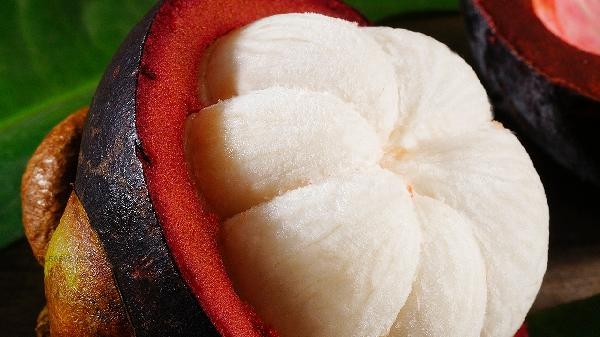
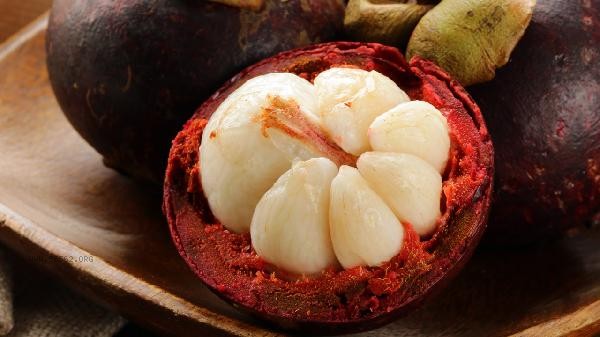
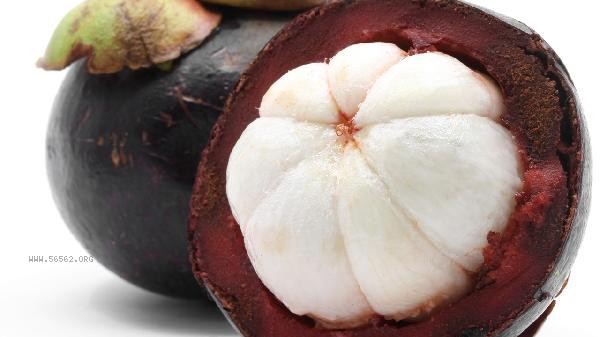
Transparent mangosteen flesh is usually a sign of spoilage, while fresh and high-quality mangosteen should have milky white flesh. The deterioration of mountain bamboo may be caused by improper storage, excessive maturation, or microbial contamination. It is recommended to discard and avoid consumption. The flesh of fresh mangosteen is uniformly milky white in color, with a soft and juicy texture. When the flesh becomes transparent, it often means that the cellular structure has been disrupted, which may result in frostbite due to prolonged refrigeration or compression damage during transportation. Although this type of mountain bamboo may not necessarily produce harmful substances, its taste will significantly deteriorate and its nutritional value will be greatly reduced. Partial transparent mangosteen may breed mold due to high humidity in the storage environment, and the flesh may have a rancid taste or mold spots. If yellow exudate is found at the joint between the shell and the pulp, or the pulp is translucent gel, it indicates that corruption has occurred. Consuming this type of mountain bamboo may cause gastrointestinal discomfort, especially for people with weaker immune systems who need to be cautious.
When selecting mangosteen, choose fruits with deep purple red shells, elastic pressing, and fresh green stems. When storing, it is recommended to wrap it in a tissue and place it in the refrigerator's vegetable and fruit compartment, keeping the temperature around 10 degrees Celsius. Cut open mangosteen should be consumed on the same day. If abnormal color or odor is found in the flesh, it should be stopped immediately. In daily life, freshness can be judged by observing the hardness and weight of the fruit shells. For the same volume, heavier ones usually have fuller juice.








Comments (0)
Leave a Comment
No comments yet
Be the first to share your thoughts!