
Weight loss can be achieved through adjusting dietary structure, increasing exercise, improving lifestyle habits, medication assisted treatment, surgical treatment, and other methods. Weight loss is usually caused by excessive calorie intake, metabolic abnormalities, endocrine disorders, genetic factors, psychological stress, and other reasons.
1. Adjust dietary structure
Reduce intake of high calorie foods, increase the proportion of vegetables, fruits, and high-quality protein. Avoid fried foods and sugary drinks, and choose whole grains instead of refined carbohydrates. Three meals a day are scheduled and quantified to avoid overeating. Properly control total calorie intake, but avoid excessive dieting. Dietary adjustments require long-term persistence to be effective.
2. Increase physical activity
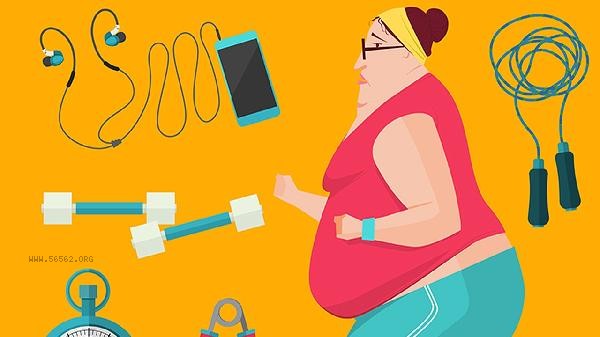
Engage in at least 150 minutes of moderate intensity aerobic exercise per week, such as brisk walking, swimming, cycling, etc. Combining strength training to increase muscle mass and improve basal metabolic rate. Exercise should be gradual and avoid injuries caused by sudden intense exercise. Choosing a favorite way of exercising is easier to stick to. Pay attention to replenishing water and nutrients after exercise.
3. Improve lifestyle habits
Ensure sufficient sleep, 7-8 hours per day. Reduce sedentary time by getting up and moving for 5 minutes every hour. Manage stress levels and avoid emotional eating. Smoking cessation and alcohol restriction habits can affect metabolism. Establishing a regular sleep schedule can help maintain a healthy weight.

4. Medication assisted therapy
Under the guidance of a doctor, medications such as orlistat capsules, liraglutide injection, and metformin hydrochloride tablets can be used. These drugs help control weight through different mechanisms, but all have certain side effects. Drug therapy must be accompanied by lifestyle changes. Cannot purchase and use weight loss drugs on one's own.
5. Surgical treatment
For severely obese patients, weight loss surgeries such as gastric sleeve resection and gastric bypass surgery can be considered. Surgery can significantly reduce weight, but there are surgical risks involved. Long term nutritional management and follow-up are required after surgery. Surgery is the last resort and only applicable to specific populations.

Weight loss requires a combination of multiple methods and cannot rely on a single approach. Suggest developing a personalized weight loss plan that progresses gradually. The weight loss rate should not be too fast, 0.5-1 kilogram per week is recommended. Maintain a positive attitude and do not give up when encountering a plateau period. After losing weight, it is important to maintain it and prevent rebound. If there are special circumstances such as endocrine disorders, weight loss should be carried out under the guidance of professional doctors.








Comments (0)
Leave a Comment
No comments yet
Be the first to share your thoughts!