
Tea leaves that are stored for a long time generally do not produce aflatoxin, but improper storage may breed other molds. Aflatoxin is commonly found in moldy peanut, corn and other grain and oil crops, and tea is not easily bred with this toxin due to its low-fat and low sugar environment. If tea leaves become damp and moldy, other harmful substances may be produced, and careful identification is necessary. The moisture content and storage conditions of tea are key factors determining whether it will mold. Finished tea leaves undergo processes such as high-temperature withering and drying, with a moisture content typically below 7%. This environment is not conducive to the growth of mold. If the sealing is not tight or the environment is humid during home storage, the tea leaves may become damp and clump, and white or green mold spots may appear on the surface. It is not recommended to drink at this time. Moldy tea may contain metabolites such as Penicillium and Aspergillus, and long-term intake may cause a burden on the liver. In rare cases, if tea leaves are contaminated with aflatoxin during processing or transportation and are exposed to high temperatures and humidity for a long time, there may be a risk of aflatoxin. This type of situation is more common in bulk tea storage mixed with grain and oil crops, or the use of moldy raw materials to make inferior tea. Packaged tea produced by legitimate manufacturers will strictly control moisture and hygiene indicators. When purchasing, pay attention to checking the integrity of the packaging and avoid choosing tea leaves with peculiar or moldy odors.
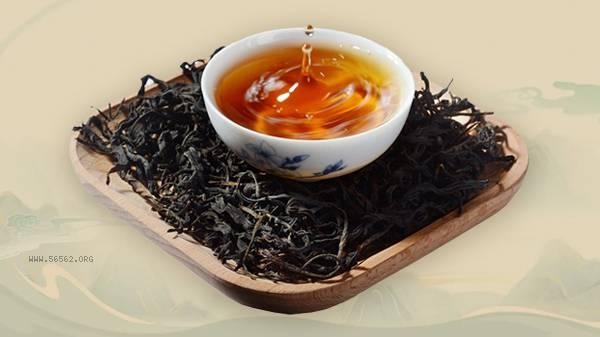
It is recommended to store tea leaves in a cool and dry place, using sealed cans or aluminum foil bags for preservation. Green tea and other easily oxidizable teas can be refrigerated. If tea leaves are found to be damp and moldy, they should be discarded immediately and should not be dried before continuing to be consumed. When making daily purchases, prioritize products with quality certification to avoid hoarding a large amount of tea leaves. Drink them as soon as possible after opening to maintain the best flavor and safety.








Comments (0)
Leave a Comment
No comments yet
Be the first to share your thoughts!