
The water soaked from red beans is usually light red or light brown in color. Red bean skin contains natural anthocyanins and flavonoids. These water-soluble pigments gradually dissolve during soaking, giving the water a red hue. However, the color depth is affected by factors such as red bean variety, soaking time, and water temperature. Red beans belong to legumes with high anthocyanin content, and their red color mainly comes from components such as cyanidin in the skin. When soaked in clean water at room temperature, the release rate of pigments is slow, and it usually takes several hours to observe significant discoloration. Initially, it may only appear slightly yellow or light pink. If soaked in warm water or for an extended period of time, the amount of pigment dissolved increases, and the water color gradually deepens to amber or reddish brown, but generally does not appear bright red. Some dark colored varieties such as adzuki beans may release more pigments, but they still belong to the natural color range. In some cases, soaking red beans in water may result in abnormal color changes. If red beans are stored improperly and moldy occurs, it may cause the water color to turn black or produce flocculent substances; Soaking in alkaline water may cause structural changes in anthocyanins, resulting in a bluish or purple color in the water. Although industrial dyed red beans are rare, they may release an unnatural bright red color when exposed to water, and the dissolution rate of pigments is exceptionally fast. Normal red beans soaked in water should have no pungent odor and clear water quality without suspended solids.
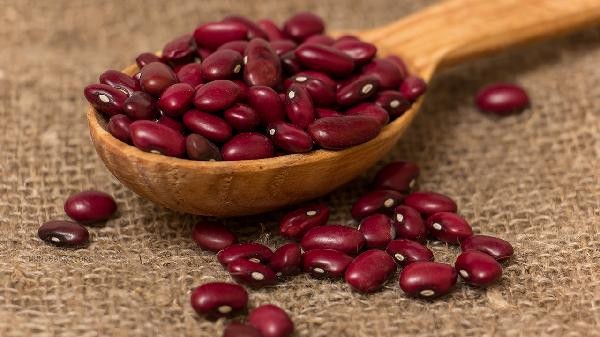
It is recommended to choose fresh red beans with plump particles and no insect infestation or mold. Before soaking, rinse the surface with running water to remove any floating dust. It is recommended to refrigerate and soak during high temperatures in summer to prevent spoilage. The soaking time should be controlled at 4-6 hours, as prolonged soaking may lead to nutrient loss. The soaked red bean water contains some water-soluble vitamins and antioxidant substances, which can be directly used to cook Congee or make desserts, but the intake of those with abnormal renal function should be controlled. Daily storage of red beans should be kept dry and ventilated, avoiding direct sunlight to preserve their nutritional content.








Comments (0)
Leave a Comment
No comments yet
Be the first to share your thoughts!