
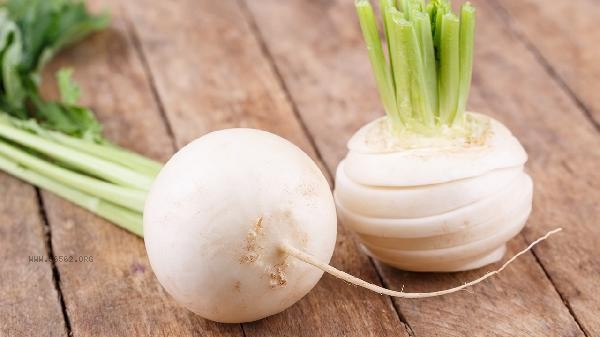
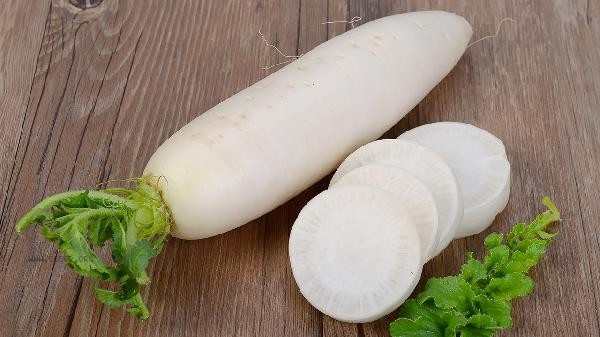
The spicy taste of white radish has certain benefits for the body, but it should be consumed in moderation according to individual constitution. The spiciness of white radish mainly comes from active ingredients such as glucosinolates, which have the effects of promoting digestion, antibacterial and anti-inflammatory. People with weak gastrointestinal function or inflammation should be cautious. The spicy ingredients in white radish can stimulate the secretion of digestive juices, help break down fat and protein in food, and improve appetite loss. These substances also have antioxidant properties, which help to eliminate harmful free radicals in the body. For people in the early stages of a cold, the volatile components of white radish can alleviate discomfort in the throat. In traditional dietary therapy, honey marinated white radish is often used to relieve cough and phlegm. Some people may experience gastrointestinal irritation symptoms such as stomach pain, acid reflux, or diarrhea after consuming [SEP]. For patients with digestive tract diseases such as gastric ulcers and duodenal ulcers, spicy ingredients may exacerbate mucosal damage. Individuals with thyroid dysfunction should be aware that glucosinolates may interfere with the absorption of iodine. Children and the elderly have weaker digestive function, it is recommended to cook and consume to reduce irritation.
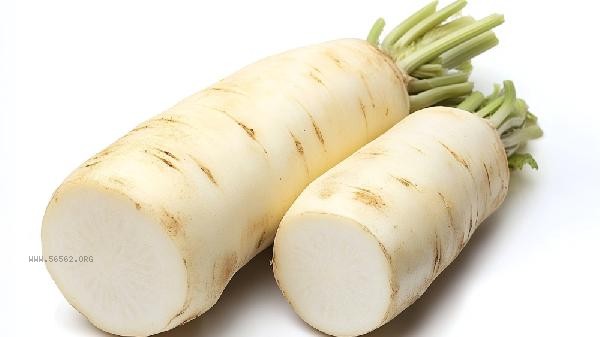
When consumed daily, it can be paired with high-quality protein foods such as eggs and tofu, which can neutralize spicy flavors and improve nutrient absorption. In winter, it is recommended to stew lamb or crucian carp soup with white radish. In summer, when cold mixing, salt it first to remove some spiciness. If persistent gastrointestinal discomfort or allergic reactions occur, it is recommended to stop consuming and seek medical attention in a timely manner. Chronic disease patients are advised to consult a nutritionist to develop a personalized dietary plan.








Comments (0)
Leave a Comment
No comments yet
Be the first to share your thoughts!