
The blackening of pomegranate skin may be a sign of deterioration, or it may be caused by variety characteristics or external damage. Fresh pomegranate skin is usually bright red or yellow, and if there are large areas of black spots, softness, or odor, it may have decayed; Some special varieties, such as black pomegranate, have a deep purple color, and the local browning caused by slight bumps usually does not affect consumption. The blackening of pomegranate skin is closely related to oxidative reactions. When pomegranates are compressed or stored for too long, polyphenolic substances in the peel will undergo enzymatic browning upon contact with air, forming dark spots. This type of situation usually only affects the appearance, and if the fruit is plump, transparent, and without any mucus leakage after peeling, it can still be consumed. Excessive humidity in the storage environment can accelerate the growth of mold, causing fuzzy black spots on the skin and spreading to the flesh. At this time, the fruit often has a sour and rotten taste and needs to be discarded immediately.
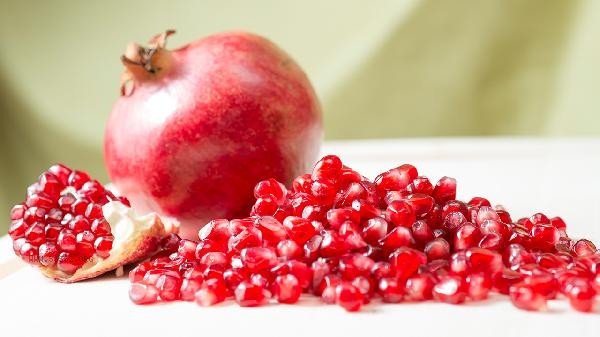
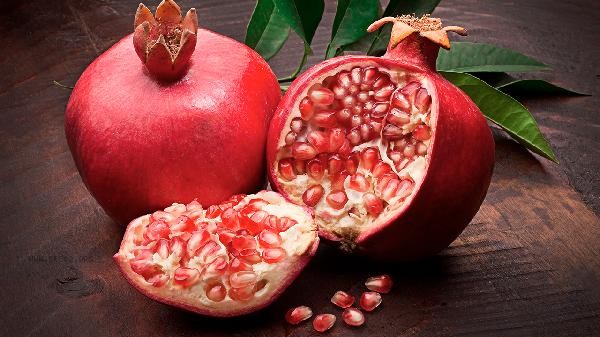
Some imported pomegranate varieties, such as Israeli black gemstones, have a deep purple to almost black skin after maturity, which is a normal phenomenon. The mucus secreted at the fruit stalk during harvesting may also form black lumps after drying, which can be removed by wiping with a damp cloth. If it is impossible to determine whether the pomegranate has gone bad or not, it can be cut open to observe the state of the fruit grains: the spoiled pomegranate flesh appears dark, the juice is cloudy, and the seeds and flesh are separated; Fresh pomegranates, even if they have blemishes on the surface, still have crystal clear grains inside. When choosing pomegranates, one should choose fruits with smooth skin and heavy weight to avoid individuals with obvious scratches or dents. When storing, it is recommended to wrap it in newspaper and place it in a cool and ventilated place, or peel off the fruit and seal it for refrigeration. If the flesh changes color or flavor, or if consumed by the elderly, children, or those with weakened immunity, it is recommended to discard it to ensure safety. In daily life, freshness can be judged by observing whether the fruit stem is dry and whether it is elastic when pressed. Rotten pomegranates may contain mycotoxins and should not be consumed at risk.








Comments (0)
Leave a Comment
No comments yet
Be the first to share your thoughts!