
It is usually a normal phenomenon for fungus to be particularly thick or exhibit a double-layer structure, which may be related to variety characteristics, growth environment, or maturity. Thick fungus has a richer taste and no significant difference in nutritional value compared to thin fungus, but it is important to distinguish whether abnormal thickening is caused by spoilage or artificial processing.
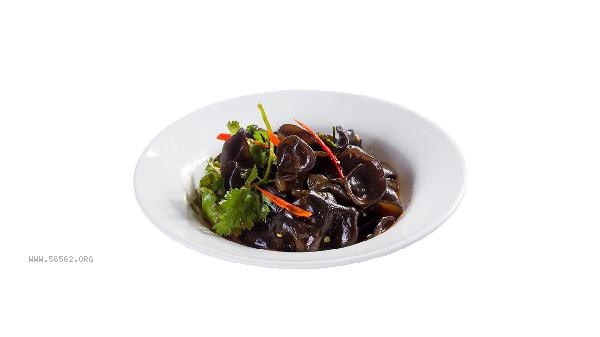
1. Variety Characteristics
Some varieties of Auricularia auricula, such as Northeast Black Fungus and Limewood Black Fungus from Qinba Mountain area, have naturally thick flesh, and their fruiting bodies can grow to a thickness of 3-5 millimeters under suitable humidity. This type of fungus has strong fungal hyphae vitality, dense glial layer accumulation, and maintains a three-dimensional structure even after drying. After foaming, it is easy to show a layered state.
II. Influence of Growth Conditions
A growth environment with large temperature differences and high humidity will promote the accelerated secretion of pectin by the mycelium of Auricularia auricula, forming a thicker cap. When the temperature difference between day and night exceeds 10 ℃, Auricularia auricula may undergo inner and outer layer differentiation to store nutrients, and a clear double-layer structure can be seen after soaking. This type of fungus usually has a high content of polysaccharides.
III. Differences in Harvesting Period
Auricularia auricula harvested during the mature stage are thicker than those harvested during the tender stage, and the edges of the fungal cap of mature Auricularia auricula often naturally curl to form a visual double-layer effect. If not dried in a timely manner after harvesting, the continuous growth of the mushroom cap may lead to abnormal thickening, but this type of fungus has a hard taste and no loss of nutritional value.
4. Processing Factors
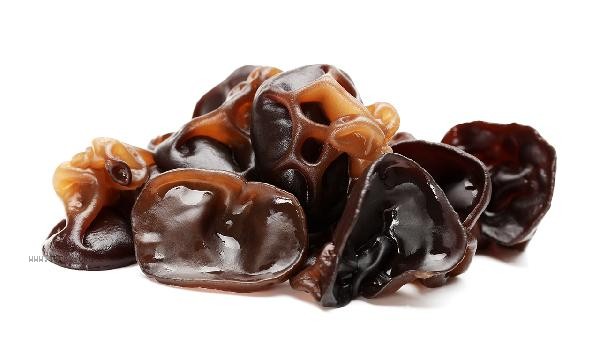
Some merchants may artificially thicken the fungus through rehydration and drying processes, but improper processing can easily lead to damage to the bacterial structure. Normal thick black fungus has a uniform and elastic texture after soaking, while processed black fungus may exhibit a layered phenomenon of gelatinization on the outer layer and stiffness on the inner layer.
V. Risk Identification of Deterioration
Fungal fungus may abnormally swell and thicken after being contaminated by fungi, with white hyphae or spots on the surface, and emit a sour and rotten smell after soaking. There are also fake thick fungus fumigated with sulfur, which are too white in color and brittle, and quickly peel off when exposed to water. This type of product poses a food safety risk.
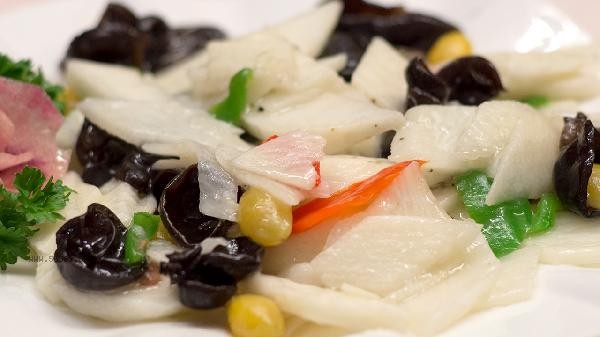
When purchasing thick fungus in daily life, it is recommended to choose products with complete flower shape and clear back fuzz, and the soaking time should be controlled within 2-3 hours. Before cooking, you can tear open and check if the inside is even. For cold dishes, it is recommended to blanch for 1 minute to eliminate potential microorganisms. Auricularia auricula is rich in dietary fiber and iron, and consuming it 2-3 times a week can help with gastrointestinal health. However, for those with spleen and stomach deficiency and cold, the single intake should be controlled within 50 grams. If you find that the fungus is sticky and has a strange odor after soaking, it should be discarded immediately to avoid food poisoning.








Comments (0)
Leave a Comment
No comments yet
Be the first to share your thoughts!