
The effectiveness of liposuction weight loss surgery varies from person to person and is suitable for individuals with local fat accumulation but normal or near normal weight. Liposuction surgery mainly removes subcutaneous fat cells through physical means, which can quickly improve body contour, but it is not a weight loss method. After surgery, it is necessary to maintain the effect with a healthy lifestyle.
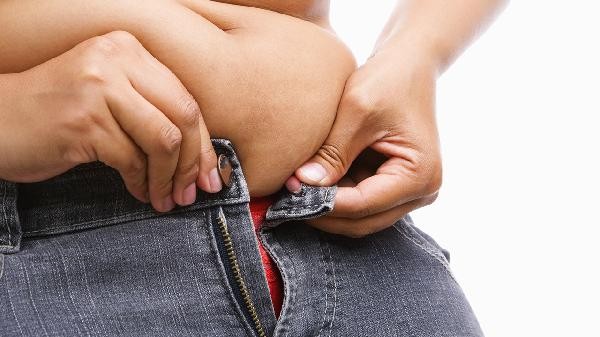
Liposuction surgery has a significant shaping effect on specific areas, such as the lower abdomen and inner thighs, where stubborn fat accumulation occurs. By using swelling anesthesia combined with negative pressure aspiration technique, a single dose can reduce the number of fat cells in that area by 20-30%. Due to the constant number of adult adipocytes, this area is less prone to recurrence of obesity after surgery. However, surgery is not suitable for individuals with systemic obesity and has limited effectiveness for those with a body mass index exceeding 28. Liposuction only changes body proportions and cannot significantly reduce body weight. Temporary skin unevenness, bruising, and swelling may occur after surgery, usually gradually recovering within 1-3 months. The incidence of serious complications such as fat embolism and infection is less than 1%, which is related to the level of operational standardization and individual constitution. As an invasive surgery, the effectiveness of SEP is influenced by various factors. Patients with good skin elasticity have ideal postoperative retraction, while those over 40 years old may be at risk of skin sagging. After surgery, it is necessary to wear shapewear for 4-6 weeks to help the skin adhere, and the amount of fat suction should not exceed 3000 milliliters per time. Multiple surgeries require an interval of at least 3 months. Excessive suction can lead to sequelae such as skin sagging and pigmentation. Patients with diabetes and serious cardiovascular disease have an increased risk of surgery. Postoperative weight gain can lead to an increase in the volume of remaining fat cells, which may form new areas of fat accumulation. Healthy diet and regular exercise remain the core measures for long-term weight management. After liposuction, daily calorie intake should be controlled within a reasonable range. It is recommended to increase protein intake to promote skin repair and supplement vitamin C to help collagen synthesis. Aerobic exercise is recommended to gradually transition from low-intensity walking starting 4 weeks after surgery. Strength training can help improve postoperative muscle line, but it is necessary to avoid early intense abdominal exercise. Maintain sufficient sleep and water intake, avoid high salt diet to reduce postoperative edema. Regularly review and evaluate the recovery status, and seek medical attention promptly if there is abnormal pain or fever.








Comments (0)
Leave a Comment
No comments yet
Be the first to share your thoughts!