
It is recommended to refrigerate tea for long-term storage, but some specific types of tea can be frozen. Green tea, light aroma oolong tea, etc. need to be refrigerated for storage, while highly fermented black tea, white tea, etc. can be stored at room temperature and dried. Only a small amount of tea, such as vacuum sealed light aroma Tie Guan Yin tea, is suitable for freezing. Cold storage of tea leaves can effectively delay the oxidation process, and temperature control between 0-5 degrees Celsius is most suitable. The stability of tea polyphenols in green tea is significantly improved at low temperatures, and refrigeration can maintain its freshness and refreshing taste for up to 12 months. When refrigerating oolong tea, it is necessary to seal and isolate the odor. It is recommended to store it in tin foil bags or ceramic jars. Please note that after removing the refrigerated tea leaves, they should be allowed to stand at room temperature before opening to avoid moisture from condensed water.
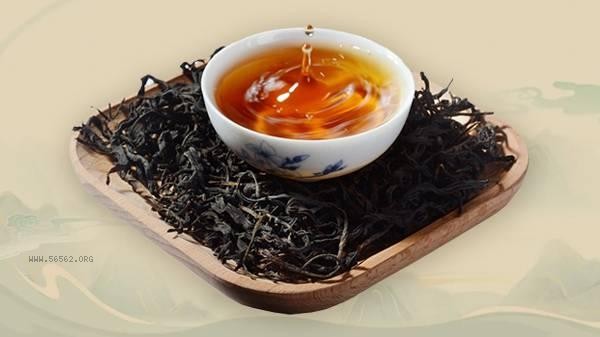
Cryopreservation is only applicable to tea leaves that are vacuum packed, and the temperature should be stable below -18 degrees Celsius. Freezing can cause ice crystals to form in the cell structure of tea leaves, and repeated thawing can easily lead to the loss of flavor compounds. Before freezing, ensure that the packaging of spherical teas such as Tie Guan Yin is completely sealed, and immediately put them back into the freezing layer after each use. Although the shelf life of frozen tea can be extended to 2 years, its aroma will gradually weaken. It is recommended to consume it within six months. Regardless of refrigeration or freezing, tea should be stored in a dark and moisture-proof place, using sealed containers such as aluminum foil bags or purple clay jars. The optimal storage methods for different types of tea vary greatly. Green tea, yellow tea, and lightly fermented tea are preferred to be refrigerated, while post fermented teas such as Pu erh and black tea are stored at room temperature for better aging. Regularly check the condition of tea leaves, and discard them immediately if there is mold or odor. Avoid direct contact with hands when picking tea in daily life. Use a teaspoon to reduce contamination.








Comments (0)
Leave a Comment
No comments yet
Be the first to share your thoughts!