
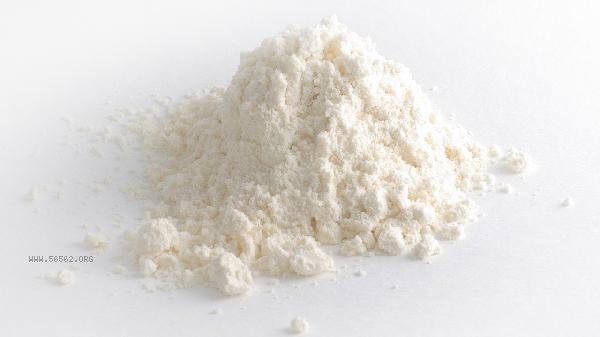
The appearance of powder in tea does not necessarily indicate mold growth, but may be due to natural crushing during tea processing or physical wear and tear during transportation and storage. Tea mold is usually accompanied by mold spots, damp clumps, and odors, which need to be judged comprehensively based on the appearance and odor. During the picking, rolling, drying and other processing steps of tea leaves, a small amount of debris is produced by mechanical force on the leaves, especially for loose tea varieties such as white peony and longevity eyebrow. This type of powder is dry and loose, with a color consistent with the tea itself and no abnormal odor, which is a normal phenomenon. During transportation, bumps and collisions can also cause intact blade edges to fall off and form debris, which does not affect drinking safety. If the tea powder is in the form of clumps, gray green or gray white in color, with a damp or moldy smell, it may have become moldy. Moldy tea is commonly found in storage environments with high humidity or poorly sealed packaging. Mold spots are often concentrated in the tightly pressed parts of the tea or corners of the packaging. Mild mold growth may only have white mycelium on the surface, and in severe cases, the entire tea leaf may adhere and emit a pungent odor.

For daily storage of tea, it is recommended to use a dark sealed jar and store it in a cool and dry place. Easily oxidizable varieties such as green tea and fragrant oolong tea can be refrigerated for storage. Regularly check the condition of tea leaves, observe whether the soup color is transparent and whether the aroma is fragrant before brewing, and avoid drinking spoiled tea leaves. Moldy tea leaves may harbor harmful substances such as Aspergillus flavus. If mold is found, the entire batch should be discarded and should not be dried before continuing to drink.









Comments (0)
Leave a Comment
No comments yet
Be the first to share your thoughts!