
Sweat steaming may have some auxiliary effects on weight loss, but it cannot replace scientific weight loss methods. Sweat steaming mainly promotes sweating through high temperature, leading to temporary weight loss, with limited actual fat loss effect. During the sweating process, due to the increase in ambient temperature, the human body will release a large amount of sweat to dissipate heat, resulting in water loss and temporary weight loss. The essence of this weight loss is dehydration rather than fat consumption, and body weight tends to rebound after hydration. High temperature environments may slightly increase metabolic rates, but have little impact on long-term fat breakdown. Some people may experience the illusion of "becoming thinner" due to fluid loss after sweating, but their body fat percentage may not necessarily undergo substantial changes. In special circumstances, such as not replenishing water in a timely manner after sweating, electrolyte imbalance may occur, leading to dehydration symptoms such as dizziness and fatigue. High temperature exposure in cardiovascular disease patients may induce blood pressure fluctuations. Sweating in individuals with damaged skin barrier may increase the risk of dermatitis. These situations not only do not help with weight loss, but may also pose health risks.
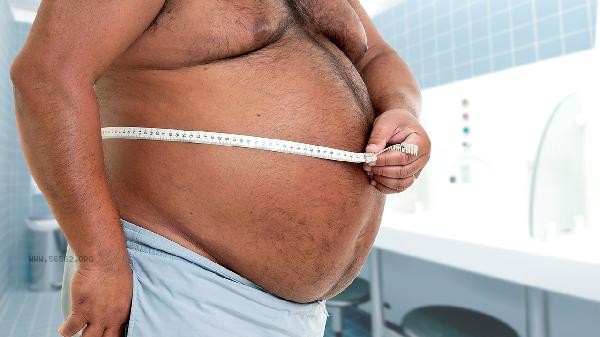
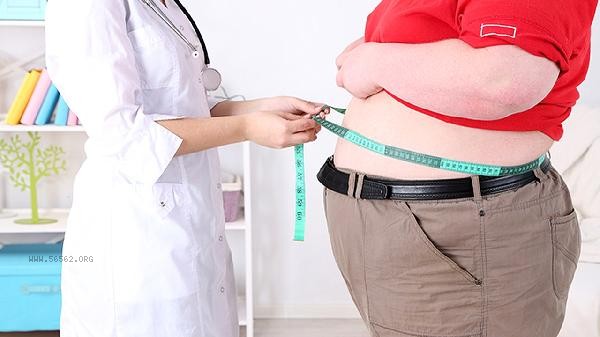
Scientific weight loss requires a combination of dietary control and exercise. It is recommended to engage in moderate intensity aerobic exercise for at least 150 minutes per week, such as brisk walking, swimming, etc., while ensuring high-quality protein and dietary fiber intake. Sweat steaming can be used as a way to relax, but it should not be overly relied upon. Individuals with chronic diseases or severe overweight should develop personalized weight loss plans under the guidance of a doctor.








Comments (0)
Leave a Comment
No comments yet
Be the first to share your thoughts!