
Skipping rope can help with both weight loss and shaping, depending on the intensity of the exercise and individual goals. High intensity intermittent skipping rope is more conducive to weight loss, while medium low intensity continuous skipping rope focuses on muscle line shaping.
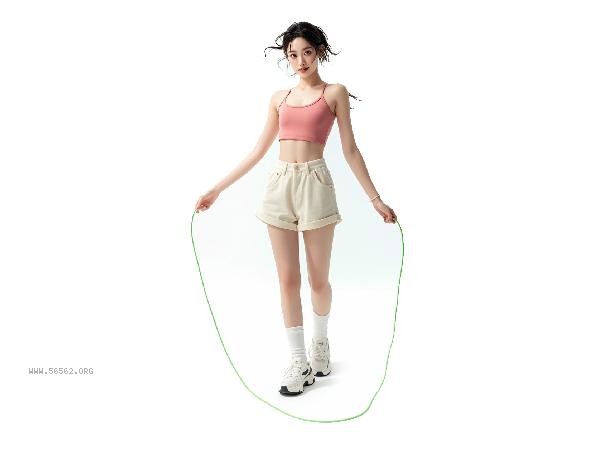
Jumping rope burns calories through coordinated whole-body movements and has a significant effect on reducing visceral fat and subcutaneous fat. A medium speed skipping rope of 70-80 times per minute can consume 8-10 calories, and lasting for more than 20 minutes will activate the fat energy supply system. Continuous tightening of the core muscle group during exercise can enhance the strength of the transverse abdominal muscle, and when combined with arm swinging movements, it can exercise the deltoid and triceps muscles. The gastrocnemius and soleus muscles in the lower limbs bear an impact force of about 2-3 times body weight during takeoff and landing, which helps to increase muscle endurance. As a resistance exercise, skipping rope has a dual value in improving body composition ratio. When the heart rate reaches 60-80% of the maximum heart rate during fast skipping rope, it can promote fat breakdown, while weight-bearing skipping rope or changing fancy movements can stimulate the growth of fast muscle fibers. The buffering action during landing requires eccentric contraction of the gluteus maximus and quadriceps, and long-term practice can make the contours of the lower limb muscles clearer. At the same time, the multifidus and erector spinae muscles around the spine continue to do work to maintain body balance, which can prevent atrophy of the lower back muscle group caused by prolonged sitting.

It is recommended to perform jump rope training 4-5 times a week, with 10-15 minutes per group and no more than 1 minute of rest between groups. First time users can start gradually from 2 minutes a day, paying attention to choosing sports shoes with good cushioning performance to protect the knee joint. Perform dynamic stretching before and after exercise, with a focus on relaxing the Achilles tendon and triceps muscle. For those with a large body weight, alternating step jumping should be used to reduce joint pressure, and dietary control should be combined to achieve the desired effect.








Comments (0)
Leave a Comment
No comments yet
Be the first to share your thoughts!