
The weight loss effects of skipping rope and running vary from person to person, depending on the intensity, duration, and individual basal metabolic rate of the exercise. Jumping rope may consume more calories per unit time than running at a constant speed, but it has a greater impact on the knee joint; Running has a more significant improvement in cardiovascular endurance and is easier to persist in the long term.
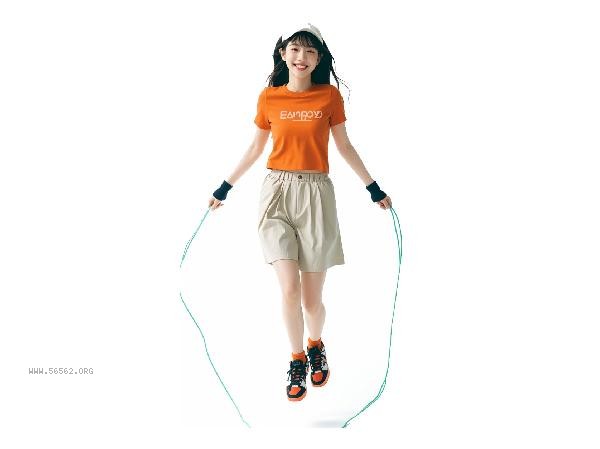
Skipping rope is a high-intensity intermittent exercise, and the heat consumption of 10 minutes of fast skipping rope is equivalent to 30 minutes of jogging. Its advantage lies in activating more muscle groups in a short period of time, especially the calf, core, and upper limbs, and the effect of excessive oxygen consumption after exercise is more pronounced. However, skipping rope continuously for more than 15 minutes can easily lead to Achilles tendon strain, and caution should be exercised for those with a large body weight or joint diseases. As a typical representative of aerobic exercise, running at a steady pace for more than 40 minutes can efficiently mobilize fat for energy supply, and has a clear effect on improving insulin sensitivity. Running at different speeds allows for flexible adjustment of intensity, with less restrictions on the field, making it more suitable for novice athletes to develop habits. From the perspective of sports injury risk, skipping rope requires high stability of the arch and ankle joint, and incorrect landing posture may lead to tibial bone inflammation. Although running has a smaller single impact force, the incidence of cumulative injuries such as patellar softening is higher. For people who weigh more than 20% of their standard body weight, it is recommended to start losing weight through low impact exercises such as swimming or elliptical exercise.
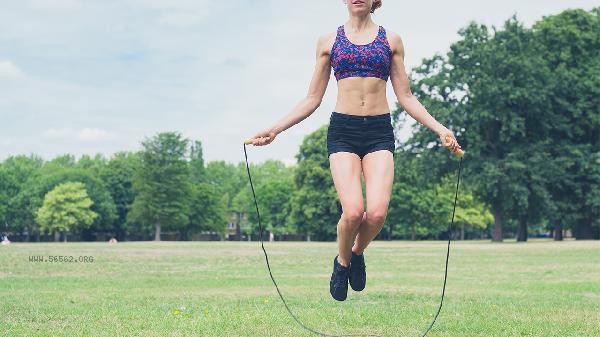
It is recommended to choose a method based on body fat percentage and exercise foundation. For those with a body fat percentage exceeding 28%, brisk walking combined with intermittent skipping rope can be used first. For those with weaker core muscle groups, dynamic stretching before running should be strengthened. Alternating between two types of exercise can avoid plateau periods and reduce the risk of injury caused by a single exercise. Supplement electrolyte water before and after exercise, wear professional shock-absorbing sports shoes, and regularly adjust body composition testing plans.









Comments (0)
Leave a Comment
No comments yet
Be the first to share your thoughts!