
When washing grapes, using flour is more suitable than salt. Flour can effectively absorb surface dirt and pesticide residues, while salt may damage the skin structure. The main methods for grape cleaning include soaking in flour, rinsing with running water, pruning cleaning, salt water assistance, fruit and vegetable cleaning agents, etc.

1. Flour Cleaning
Flour particles are small and have adsorption properties, which can combine with impurities in the concave areas of grape skins. Soak the grapes in flour water and gently stir. The flour will wrap around pesticide residues and dust, then rinse with running water. This method causes minimal damage to the skin and is particularly suitable for varieties with thin skins. After cleaning, there is no obvious powdery sensation on the surface of the grapes.
2. Running water flushing
Running water can flush away most surface pollutants. It is recommended to perform pre flushing before soaking the flour. Hold the stem of the grape skewer in hand and rinse it at multiple angles with moderate water pressure for at least two minutes, with a focus on washing the sunken areas of the fruit stem. This method is suitable for quick cleaning when time is tight, but it cannot completely remove fat soluble pesticides.
3. Pruning and Cleaning
Cutting the grape stems into small clusters before cleaning can avoid contaminating the fruit flesh. When pruning, keep a small amount of fruit stem to prevent peeling, clean and drain the water. This method can prevent impurities from entering through the incision during cleaning, making it particularly suitable for ready to eat or for children to consume.
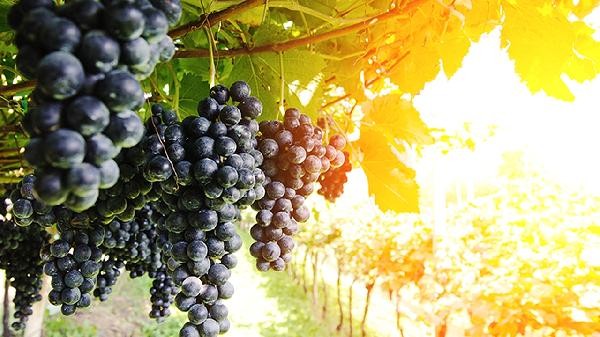
4. Saltwater assisted
Low concentration saline can help drive away some insect eggs, but the soaking time should not exceed three minutes. Salt osmotic pressure may cause grapes to lose water and wrinkle their skin. It is recommended to use them briefly after flour washing. The salt concentration should be controlled below 3%, and after completion, it is necessary to thoroughly rinse to avoid residual salty taste.
5. Special cleaning agent
Food grade fruit and vegetable cleaning agent can decompose fat soluble pesticides. Dilute according to the instructions and soak for five minutes. Choose products with phosphorus free and essence free formula, and rinse repeatedly after cleaning. This method is costly and suitable for organic grapes or those with a clear wax layer on the skin.
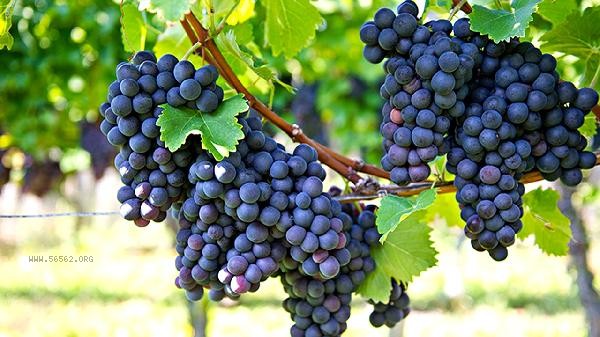
Grapes should be consumed or refrigerated as soon as possible after cleaning to avoid accelerated decay caused by residual moisture. It is recommended to choose fresh grapes with white frost when purchasing, as white frost is a natural fruit powder rather than a pesticide. Baking soda water can be used as a substitute for flour in daily life, which also has adsorption properties. When cleaning, keep the water temperature at room temperature. High temperatures can damage vitamin C. If grapes are found to have an alcoholic taste or become soft, it indicates that they have spoiled and are not suitable for consumption. When storing, use a breathable container and place it in the refrigerator compartment to keep it fresh for three to five days.








Comments (0)
Leave a Comment
No comments yet
Be the first to share your thoughts!