
Rice that is cooked by soaking in hot water is usually a convenience food, and its healthiness depends on the specific processing method and ingredients. This type of product may have undergone dehydration or pre maturation treatment. If excessive preservatives or sodium salts are not added, moderate consumption has little impact on health; However, long-term replacement of fresh rice may lead to imbalanced nutrient intake. Rice that is cooked by soaking in hot water is often treated with dehydration technology, which changes the starch structure and causes it to quickly rehydrate. This type of product often retains the original carbohydrates and a small amount of B vitamins in rice, but dietary fiber and some water-soluble vitamins are easily lost during processing. Some brands may add minerals such as iron and zinc for nutritional enhancement, so you can pay attention to the ingredient list when purchasing. It is more convenient to eat during daily emergencies or when carrying it out, but there is a difference in taste compared to fresh rice. Some fast food rice may contain high sodium content to extend shelf life, and long-term consumption can increase the risk of hypertension. Although the added antioxidants or preservatives meet food safety standards, sensitive individuals may experience gastrointestinal discomfort. Patients with diabetes should pay attention that the glycemic index of such products may be higher than that of ordinary rice. Special processing techniques may cause protein denaturation, resulting in slightly lower nutritional value than traditional cooked rice.
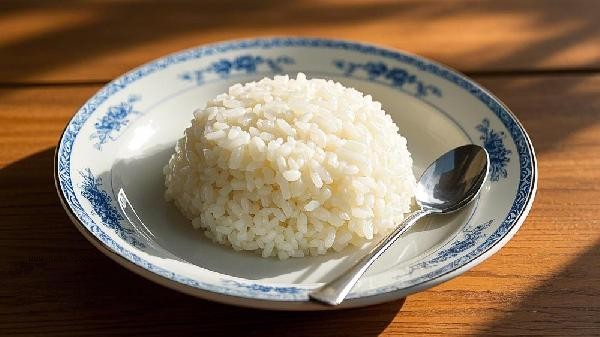
It is recommended to prioritize fast food rice products with simple ingredients and few additives, paired with fresh vegetables and high-quality protein foods to ensure nutritional balance. Daily diet should still focus on freshly cooked rice, and fast food rice should be consumed no more than two to three times a week. Pay attention to checking the product nutrition chart and avoid choosing products with sodium content exceeding 20% of the recommended daily intake. When consuming, the soaking time can be appropriately extended to allow the rice to fully absorb water and reduce digestive burden.








Comments (0)
Leave a Comment
No comments yet
Be the first to share your thoughts!