
After cooking pig liver, it is recommended to immediately remove it and drain the water to avoid prolonged soaking that may cause nutrient loss or poor taste. The main ways to preserve pig liver include refrigeration, frozen packaging, vacuum sealing, short-term room temperature storage, and soaking in soy sauce.
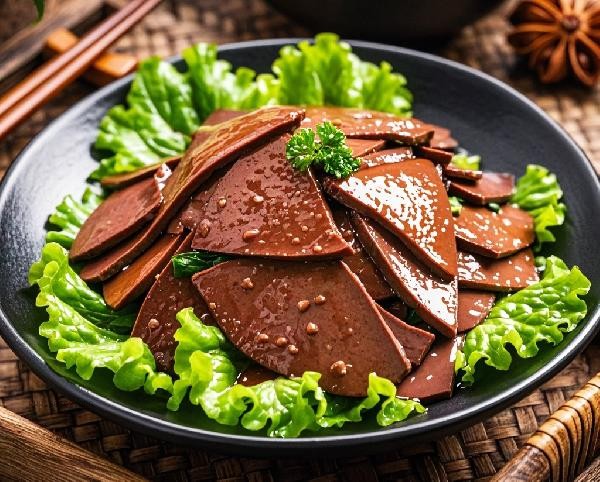
Pig liver is rich in nutrients such as protein, iron, and vitamin A. Prolonged soaking in water can cause water-soluble vitamins such as B vitamins to dissolve into the water, reducing its nutritional value. Boiled pig liver has a loose texture, and continuous exposure to water can cause the cell structure to absorb water and expand, affecting its original compact texture. The internal temperature of freshly cooked pig liver is relatively high. If it is directly soaked in cold water, the surface may shrink due to the large temperature difference, and the internal heat dissipation may not be sufficient.
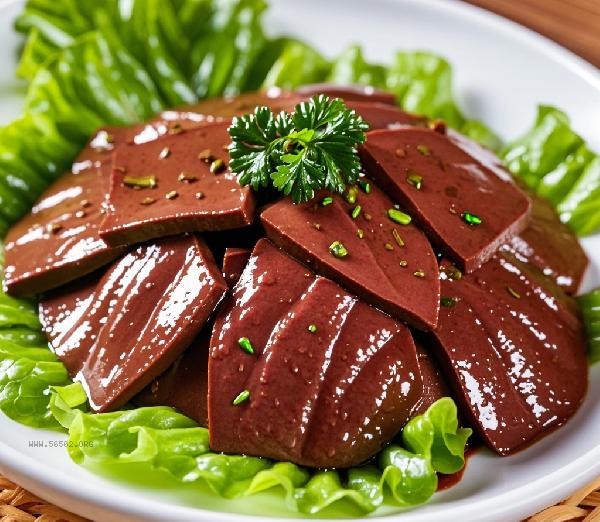
Some cooking methods, such as braised pork liver with sauce, require a small amount of marinade to be soaked, in order to allow the seasoning to continue to penetrate and enhance the flavor. But if ordinary boiled pork liver needs to maintain its original flavor, it should be scooped up with a strainer after cooking and spread out in a container with kitchen paper to cool. Pig liver that needs to be sliced for consumption can be left to cool naturally to room temperature before processing, at which point the texture will become denser and easier to cut. If you plan to store it refrigerated, it is recommended to wrap the completely cooled pig liver in plastic wrap to avoid oxidation and discoloration caused by contact with air.
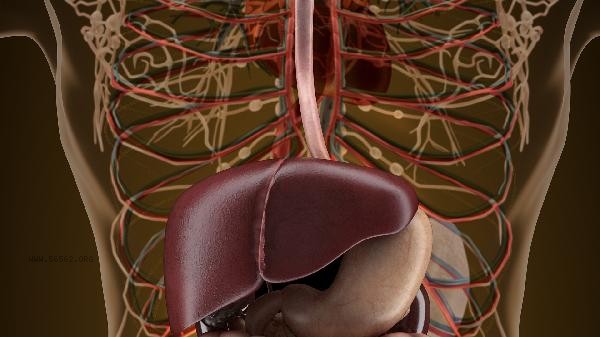
Freshly cooked pig liver is recommended to be consumed within 2-3 days and stored separately from other raw foods when refrigerated. Before consumption, vinegar garlic juice or lemon juice can be used to help absorb iron elements, but those with abnormal kidney function need to control their intake. It is not advisable to consume more than 100 grams of animal liver per week in daily diet, and vegetables and fruits rich in vitamin C should be paired to promote nutrient utilization. Hypertensive patients should pay attention to controlling the salt intake of soy sauce products.








Comments (0)
Leave a Comment
No comments yet
Be the first to share your thoughts!