
Boiling peanuts in water is healthier than deep frying. Boiling peanuts in water can retain more nutrients and have lower fat content, while deep frying has a crispy texture but higher calorie content. The choice should be based on health needs and taste preferences. During the process of boiling peanuts, no additional oil is introduced, which maximizes the retention of nutrients such as protein, vitamin E, and dietary fiber, while reducing the damage of unsaturated fatty acids caused by oxidation reactions. Boiled peanuts have a soft texture and are suitable for people with weak digestive function. The plant sterols they contain help regulate blood lipids. The traditional boiling method can add a small amount of salt or spices to enhance the flavor while avoiding excessive intake.
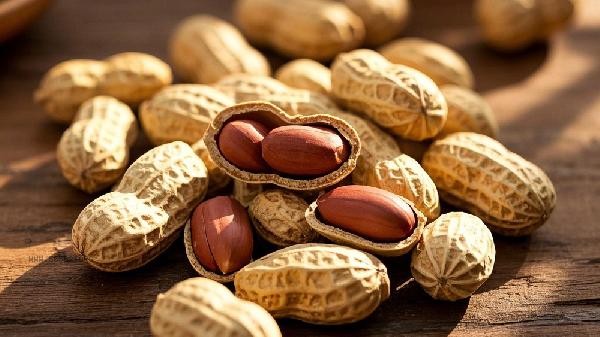
Fried peanuts will produce a crispy texture under high temperature, but some B vitamins and antioxidants will be lost due to high temperature. Oil penetration significantly increases heat, and repeatedly heated oil may also produce trans fatty acids. The frying process forms a hard shell on the surface of peanuts, which may stimulate the gastrointestinal mucosa, and high-temperature processing can accelerate the oxidation and rancidity of fats in peanuts. Long term overconsumption may increase metabolic burden.
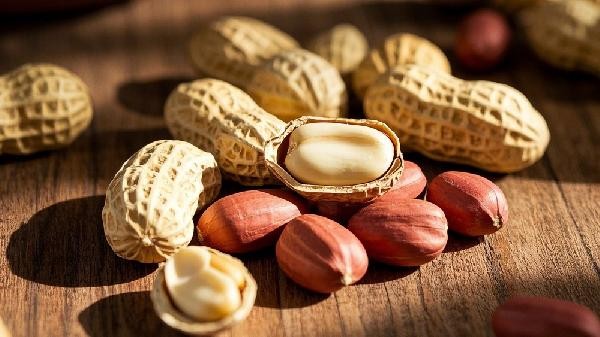
Daily consumption recommendation is mainly boiled in water, and the weekly intake of fried peanuts should be controlled in small portions. People with high blood pressure or high blood lipids should prioritize salt free cooking and consume it with fresh vegetables and fruits to help balance nutrition. When storing, it is necessary to seal and prevent moisture to avoid contamination by Aspergillus flavus. Sprouted or moldy peanuts must be discarded. Individuals with special physical conditions should observe for any allergic reactions when trying peanut products for the first time.








Comments (0)
Leave a Comment
No comments yet
Be the first to share your thoughts!