
Milk belongs to dairy products rather than beverages, mainly providing high-quality nutrients such as protein, calcium, and vitamin D. The core difference between dairy products and beverages lies in their nutritional density and functional positioning, mainly including differences in raw material sources, processing technology, nutritional components, consumption scenarios, shelf life, and so on.
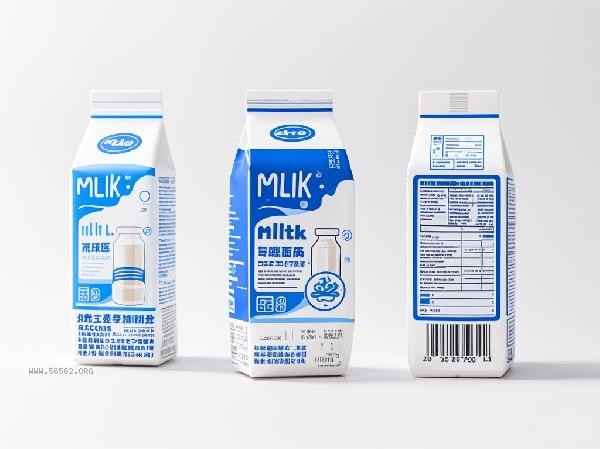
1. Raw Material Source
Dairy products are made from animal milk, such as cow's milk, sheep's milk, etc., which contain natural milk fat and milk protein. Drinks are mostly water based, with added sugar, essence or plant extracts. Some milk containing drinks only contain a small amount of milk.
2. Processing Technology
Dairy products need to undergo standardized sterilization, homogenization and other processes. For example, pasteurized milk retains some active substances, while sterilized milk can be stored for a long time. Beverages usually use blending and filling processes, and some carbonated beverages require carbonation treatment.
III. Nutrients
Each 100 milliliters of milk contains approximately 3 grams of high-quality protein and 100 milligrams of calcium, while also providing B vitamins. The main ingredients of regular beverages are water and added sugar, while some functional beverages add electrolytes but have extremely low protein content.
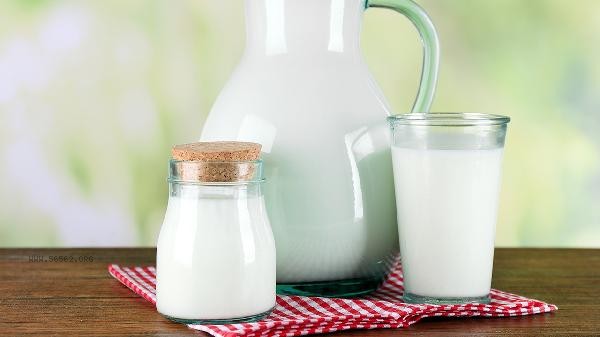
Fourth, Consumption Scenarios
Dairy products are often used as breakfast combinations or complementary foods, suitable for people in their growth and development period and those who need calcium supplementation. Beverages are often used for quenching thirst or leisure consumption, and sugary drinks should be consumed in moderation.
Fifth, Shelf Life
Fresh milk has a shorter shelf life when refrigerated, while ultra-high temperature sterilized milk can be stored for several months. Beverages with high sugar or preservatives usually have a longer shelf life, so they should be consumed as soon as possible after opening.
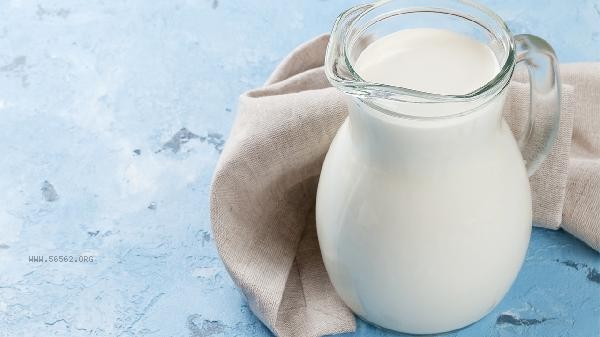
It is recommended to consume 300-500 milliliters of dairy products daily, with priority given to pure milk or fermented milk without added sugar. People with lactose intolerance can choose low lactose milk or yogurt and avoid drinking on an empty stomach. When making a purchase, pay attention to distinguishing between dairy products and dairy containing beverages, and check whether raw milk is listed first in the ingredient list. Reasonable combination of grains, fruits and other foods can improve the absorption and utilization rate of calcium. Children and the elderly can increase their intake of dairy products appropriately to prevent osteoporosis.








Comments (0)
Leave a Comment
No comments yet
Be the first to share your thoughts!