
The taste of lychee varies depending on the maturity of different varieties, usually with a sweet taste and a slight acidity after maturity. The sweetness and acidity of lychee are influenced by factors such as variety differences, maturity, and planting environment.
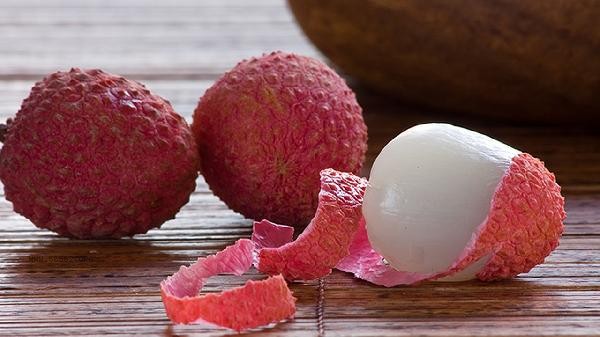
When fully ripe, the flesh of the lychee appears semi transparent, with a high sweetness and a unique floral flavor, while the acidity is relatively light. Immature fruits may have a more pronounced sour taste and a harder texture in the flesh. Some special varieties, such as wild lychee, may have a natural high acidity, but common commercial cultivated varieties in the market are dominated by sweetness. The sour taste of lychee mainly comes from the organic acids in the fruit, such as acid and vitamin C. As the maturity increases, the accumulation of sugar will gradually mask the sour taste. The high temperature and dry growth environment may accelerate sugar concentration, making the fruit sweeter; And seasons with more rainfall may lead to relatively prominent fruit acidity. Proper storage for 1-2 days after harvesting can help improve sweetness.
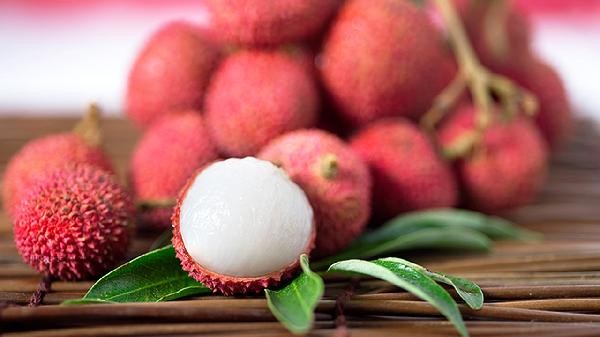
When choosing hairy lychee, you can observe the color of the skin, and those that are bright red, full, and have soft scales are usually sweeter. It is recommended to refrigerate for a moment before consumption to enhance the sweet taste, but those with spleen and stomach deficiency should not consume excessively. Fresh lychee is rich in vitamin C and minerals. Consuming 5-6 lychees per day can meet nutritional needs and avoid gastrointestinal discomfort that may occur from consuming large amounts on an empty stomach.








Comments (0)
Leave a Comment
No comments yet
Be the first to share your thoughts!