
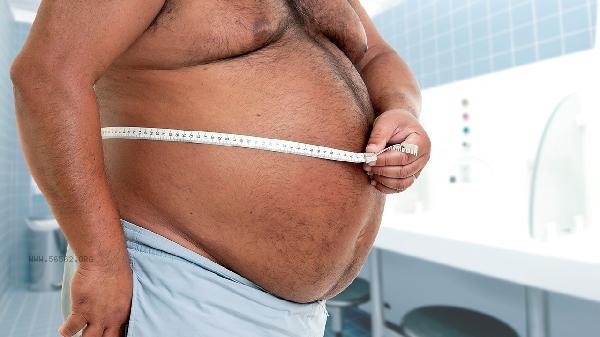
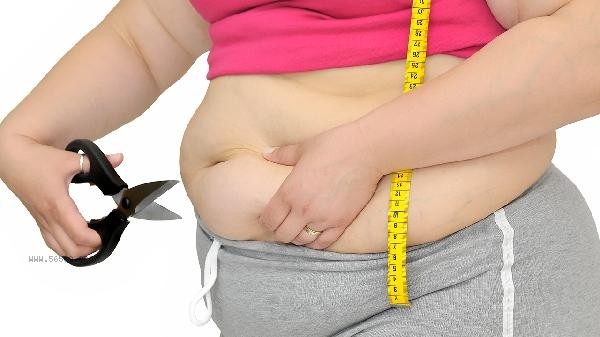
Liposuction for weight loss is usually safe, but it requires selecting a reputable medical institution and experienced doctors for operation. The safety of liposuction surgery is closely related to factors such as surgical indications, physician skills, and postoperative care. Liposuction surgery is suitable for people whose local fat accumulation is difficult to improve through diet and exercise. The surgery uses negative pressure technology to accurately remove subcutaneous fat, with minimal damage to nerves and blood vessels. Regular medical institutions will evaluate cardiopulmonary function and coagulation indicators before surgery, use swelling anesthesia to reduce bleeding during surgery, and use elastic shapewear to prevent hematoma after surgery. These measures can significantly reduce surgical risks. Non formal institutions may have issues such as substandard surgical environments and inadequate qualifications of doctors. Excessive negative pressure may lead to fat embolism, excessive liposuction may cause uneven skin, and improper postoperative care may cause infection or thrombosis. Surgery is not recommended for patients with serious underlying diseases, coagulation dysfunction, or skin laxity. After surgery, it is necessary to follow the doctor's advice to wear compression clothing, avoid vigorous exercise, and regularly follow up to observe recovery. After surgery, it is necessary to maintain a light diet, supplement high-quality protein in moderation to promote wound repair, and avoid high salt and high sugar foods exacerbating edema. During the recovery period, low-intensity exercise such as walking can be done, and swimming and equipment exercise should be avoided for three months. Choosing liposuction surgery should weigh the effectiveness and risks, and strictly follow medical advice to ensure safety and effectiveness.








Comments (0)
Leave a Comment
No comments yet
Be the first to share your thoughts!