
Liposuction is usually not recommended as a routine weight loss method and is only suitable for situations where there is stubborn local fat accumulation and other weight loss methods are ineffective. Liposuction surgery mainly has the risk of trauma, uneven skin, and complications such as fat embolism. After the surgery, it is still necessary to maintain a healthy lifestyle for a long time to maintain the effect. Liposuction directly removes subcutaneous fat cells through negative pressure suction, which can improve body shape and contour in the short term. But this surgery cannot reduce visceral fat and has no improvement effect on metabolic diseases. Short term complications such as hematoma, infection, and sensory abnormalities may occur after surgery, and long-term problems such as skin laxity and irregular contours are also common. Although fat embolism is rare, it can be life-threatening. The surgical effect is greatly affected by the doctor's technique, equipment, and individual recovery ability, and some patients require secondary repair.
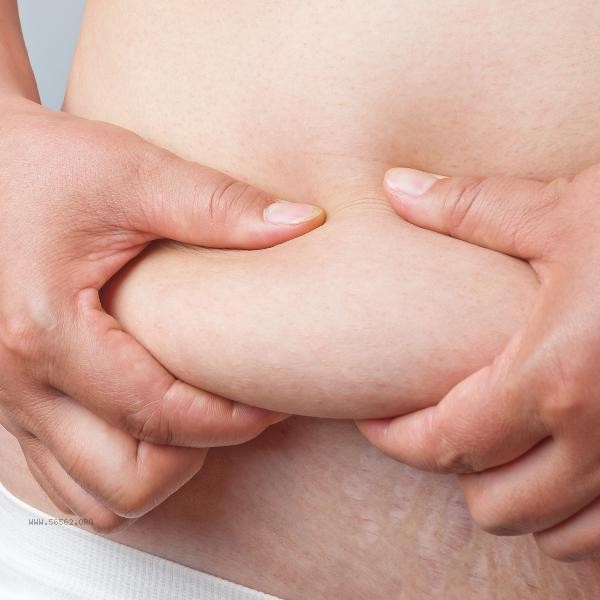
Healthy weight loss should prioritize a combination of diet control and exercise. It is recommended to consume an appropriate amount of high-quality protein and dietary fiber daily, and reduce refined carbohydrates and saturated fats. 150 minutes of moderate intensity aerobic exercise combined with resistance training per week can effectively reduce body fat and enhance muscle mass. Maintaining a regular schedule and sufficient sleep can help regulate leptin levels. If obesity is caused by endocrine abnormalities or medication factors, targeted treatment should be carried out under the guidance of a doctor. The key to maintaining long-term weight loss is to establish sustainable healthy lifestyle habits.








Comments (0)
Leave a Comment
No comments yet
Be the first to share your thoughts!