
The bitterness of lemon mainly comes from the peel and seeds, with the bitterness of the peel usually being more pronounced. The main bitter components of lemon include limonin, naringin, and other substances. Volatile oils in the peel and alkaloids in the seeds can also affect the taste.
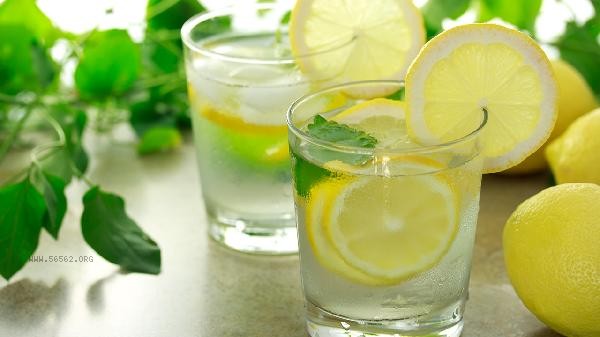
Lemon peel contains high concentrations of limonin and naringin, which are commonly found in citrus fruits, especially in the white sponge layer. The volatile oils secreted by the oil glands on the surface of the fruit peel can also cause a slight bitterness. Proper treatment of fresh lemon peel can reduce bitterness, such as washing with salt or blanching in boiling water to reduce some bitter components. The degree of bitterness in fruit peels is related to the variety, and some improved varieties have significantly reduced the content of bitter substances through breeding techniques. Lemon seeds contain a small amount of alkaloids and precursors of limonin, which release a distinct bitter taste when chewed directly. The bitter substances in seeds are mainly concentrated in the seed coat and endosperm, and complete swallowing usually does not affect the taste. If the seeds are excessively crushed during juicing, it may increase the bitterness. It is recommended to use a filter screen for filtration. The bitterness intensity of seeds is related to fruit maturity, and lemon seeds that are not fully ripe have a higher content of bitter substances.
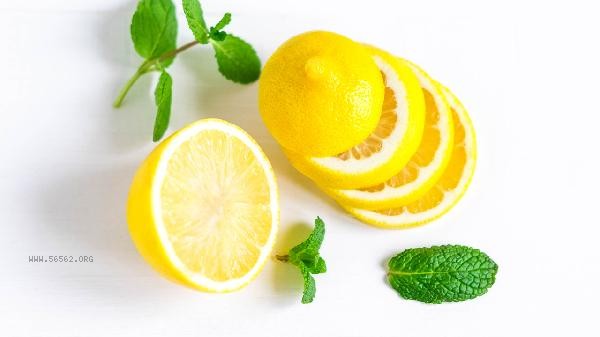
When consuming lemons in daily life, the bitterness of the fruit peel can be reduced by peeling off the white sponge layer, and attention should be paid to separating the seeds when juicing. Although bitter ingredients affect taste, some studies have shown that limonoid substances have antioxidant effects. People who are sensitive to bitterness can choose seedless lemon varieties or pair them with seasonings such as honey to neutralize the taste. After sun drying, the bitter taste of lemon peel will be reduced, making it suitable for baking or brewing tea.









Comments (0)
Leave a Comment
No comments yet
Be the first to share your thoughts!