
Seaweed is generally recommended to be stored refrigerated, and if long-term storage is needed, it can be frozen. Kelp belongs to high water algae, and the preservation method mainly depends on the consumption plan and storage time.

Kelp can maintain good taste and nutrition when refrigerated, suitable for short-term consumption. Kelp is not easily spoiled at refrigerated temperatures, and there is less loss of vitamins and minerals. After draining the seaweed, put it in a fresh-keeping box and refrigerate it for 3-5 days. The seaweed stored in refrigeration can be directly used for cold dishes or soup, with a flexible texture and intact freshness. Be sure to seal and prevent cross contamination before refrigeration, and avoid contact with strongly scented food.

Cryopreservation is suitable for situations that require long-term storage, and can extend the shelf life of kelp to 1-2 months. Freezing can cause structural changes in kelp cells, and after thawing, the taste is slightly softer, making it more suitable for stewing and cooking. When packaging and freezing, it is recommended to seal according to a single dose to avoid repeated thawing. After thawing, frozen kelp needs to be thoroughly heated for consumption, as it loses more nutrients compared to refrigeration, but minerals such as iodine can still be well preserved.
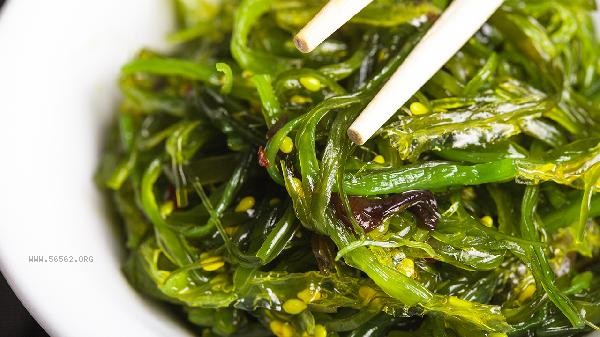
When storing seaweed in daily life, it is recommended to choose the appropriate method according to consumption needs. Refrigerated storage focuses more on the immediate consumption experience, while frozen storage emphasizes long-term storage. Regardless of the method, attention should be paid to sealing and moisture prevention to avoid cross contamination with other ingredients. Kelp is rich in iodine, dietary fiber, and alginic acid. Reasonable storage can maximize its nutritional value. It is recommended to consume it in a balanced manner with other seafood products.








Comments (0)
Leave a Comment
No comments yet
Be the first to share your thoughts!