
The non stick of jackfruit is usually irrelevant to maturity, which may be caused by variety characteristics, post harvest processing or storage methods. To judge the maturity of jackfruit, comprehensive indicators such as peel color, smell, pressing softness and hardness should be considered.
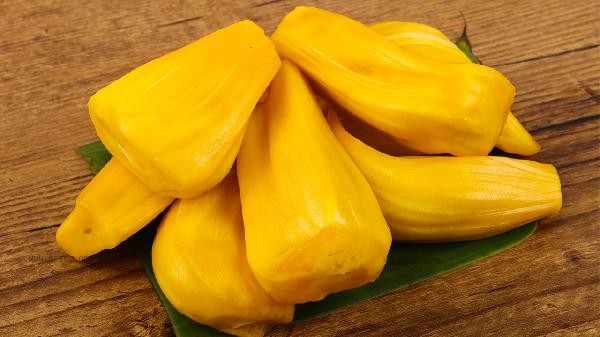
The mucus of jackfruit mainly comes from the latex tube at the junction of the peel and pulp. Some varieties have less latex secretion, and even if they are fully mature, they will not be obviously sticky. This kind of jackfruit is common in Southeast Asia, and its pulp sweetness is similar to that of common varieties. After harvesting, soaking in lime water or refrigeration treatment can also reduce mucus leakage, which is a common preservation method used by vendors and does not mean that the fruit is unripe. If the skin of jackfruit is golden yellow, exudes rich fruit flavor, and has elasticity when pressed, it means that it is mature even if it is not sticky.
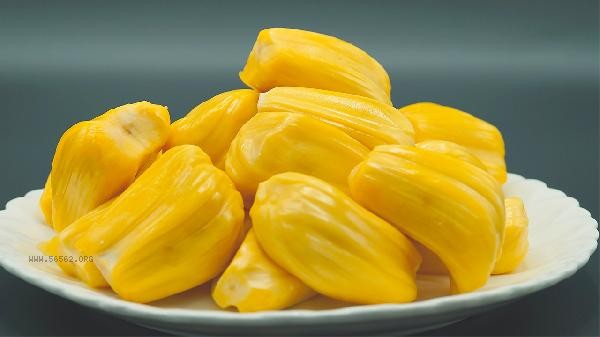
In a few cases, the prematurely picked jackfruit may have hard and crisp flesh, insufficient sweetness and no mucus due to insufficient conversion of starch. This type of fruit has a green skin, is hard to press, and has no fragrance. It needs to be left for several days to ripen. However, it should be noted that the varieties of jackfruit vary greatly. For example, when the Vietnamese red meat jackfruit is mature, there is still less mucus, which cannot be judged only by the sticky feel. If you ingest unripe jackfruit by mistake, it may cause numbness in your mouth. It is recommended that you cut it so that the meat will be orange and can be easily separated before eating.
When selecting jackfruit, you can smell whether the base has the unique sweet smell of tropical fruits, and the aroma of mature fruits will exude from the stem. If not cut open during storage, it can be stored at room temperature for 2-3 days to accelerate ripening. If it has been cut open, the white filamentous material should be removed and sealed for refrigeration. It is recommended to wear gloves or apply cooking oil on the hands when consuming to avoid skin itching caused by residual latex of certain varieties. The daily consumption should be controlled within 200g, and diabetes patients and those with damp heat constitution should reduce the consumption.








Comments (0)
Leave a Comment
No comments yet
Be the first to share your thoughts!