
Tomatoes grown in greenhouses may use pesticides, but they must comply with national pesticide use standards. The use of pesticides mainly involves factors such as pest control, growth regulation, and safe intervals. The greenhouse environment has high humidity and limited ventilation, which makes it easy to breed fungi and pests such as powdery mildew and aphids. Low toxicity and high-efficiency fungicides or insecticides such as imidacloprid and pyrimethanil may be used during the planting process. Under standardized operation, pesticide residue levels are usually lower than national standards, and a safety interval is reserved before harvesting to ensure degradation. Some growers may use biological control or physical insect nets instead of chemical pesticides. A small number of non-standard planting practices may involve the misuse of ripening agents or highly toxic pesticides. Plant growth regulators such as ethephon may be used to promote fruit color change, but excessive use can cause the flesh to harden and the flavor to decrease. When making a purchase, you can observe whether the fruit stem naturally falls off and whether the flesh is evenly soft and hard, avoiding choosing fruits with abnormally bright skin or hard texture.
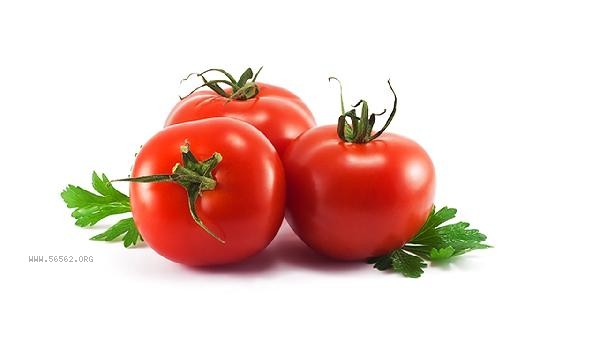
It is recommended to prioritize purchasing tomatoes that have green food or organic certification. Before consumption, rinse and soak them with running water to remove any potential pesticide residues on the surface. Greenhouse cultivation can reduce pesticide dependence through scientific management, such as crop rotation, yellow board trapping and pest control measures, which can ensure yield and improve fruit safety.









Comments (0)
Leave a Comment
No comments yet
Be the first to share your thoughts!