
Processed black fungus can be frozen and stored before consumption, but it should be noted that the texture may become soft and nutrients may be lost after thawing. Although frozen fungus does not produce toxins, repeated freeze-thaw cycles can lead to a deterioration in taste and bacterial growth. Freezing preserved black fungus can inhibit microbial reproduction and prolong storage time in low-temperature environments. Freshly soaked black fungus has a high water content, and freezing it directly can form ice crystals that damage the cell structure. After thawing, it loses its crispy and tender taste. It is recommended to drain the water from the fungus and seal it separately to reduce contact with air. The freezing time should not exceed one month to avoid excessive loss of moisture and affect the quality of consumption.
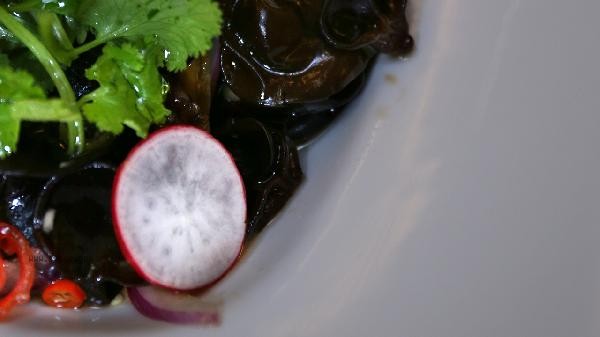
In some special circumstances, frozen fungus may pose risks. If the soaking time is too long or the storage environment is unclean, the fungus may have grown bacteria, and freezing cannot kill the microorganisms but can only inhibit their activity. If there are signs of deterioration such as stickiness and odor after thawing, they should be discarded immediately. People with weak digestive function may experience gastrointestinal discomfort when consuming frozen black fungus. It is recommended to heat it thoroughly and try a small amount.
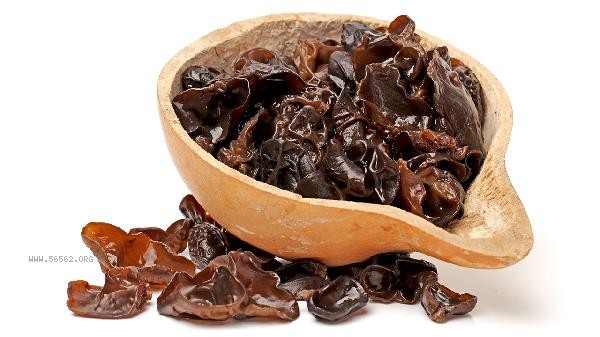
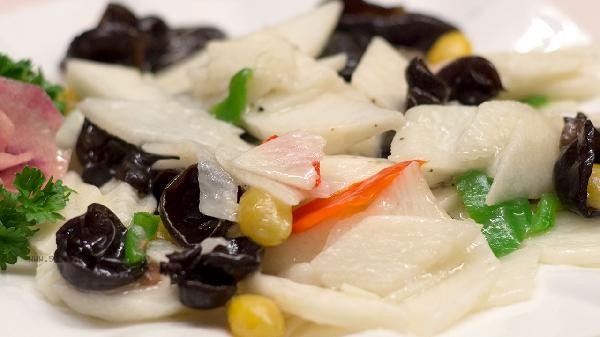
It is recommended to keep the fungus dry and refrigerate it for daily storage, and consume it within 3 days to maximize its nutrition and taste. Frozen agaric is suitable for stewing, Congee and other cooking methods that need soft and rotten taste. Fresh soaked agaric is preferred for cold dressing or stir frying. Regardless of the storage method used, it is necessary to observe for mold and odor before consumption, and thoroughly heat it to ensure food safety.








Comments (0)
Leave a Comment
No comments yet
Be the first to share your thoughts!