
It is not recommended to continue drinking tea after it has become moldy. Moldy tea may contain harmful substances such as aflatoxins, posing a food safety risk. Tea mold growth is usually caused by damp storage environments or improper sealing, leading to mold growth. The aflatoxin produced during the process of mold growth has high temperature resistance, and ordinary brewing cannot completely destroy its toxicity. Long term consumption of moldy tea may cause damage to the liver and increase the risk of cancer. Moldy tea leaves may have white or green fuzzy fungal spots on their appearance, and the tea soup may be cloudy with a moldy or unpleasant odor. A very small number of tea leaves that are slightly damp but not significantly moldy may have some mold removed after professional high-temperature baking treatment, but it is difficult to achieve effective treatment under household conditions. For high-value old tea, if it only has a slight white frost on the surface and no moldy taste, you can consult a professional tea artist to determine the treatment method. But for safety reasons, it is still recommended to discard moldy tea leaves.
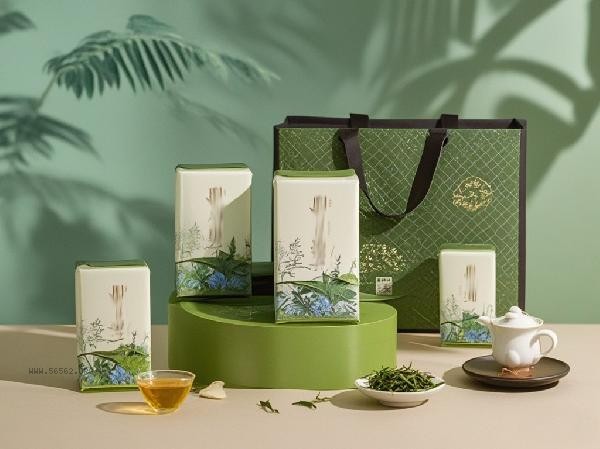
Tea should be stored in a sealed container in a cool and dry place, away from direct sunlight. Green tea, light aroma oolong tea and other easily oxidizable teas are recommended to be stored in refrigeration. Post fermented teas such as black tea and pu erh tea should be kept moderately ventilated. Regularly check the condition of tea leaves and promptly deal with any dampness found. When choosing tea, pay attention to the production date and packaging integrity, and consume it as soon as possible after opening to ensure quality.








Comments (0)
Leave a Comment
No comments yet
Be the first to share your thoughts!