
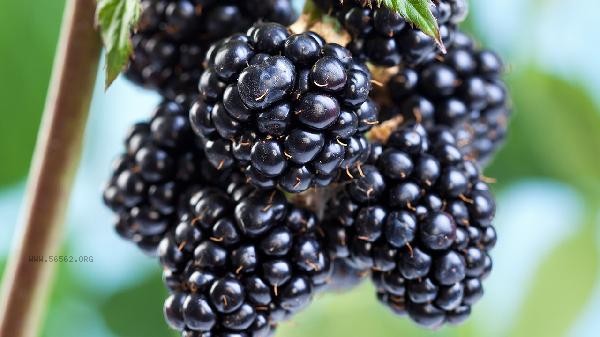
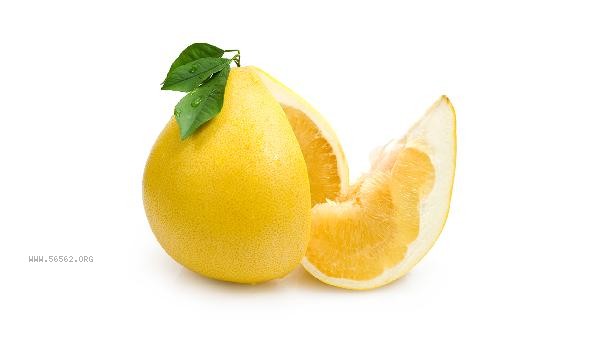
Fruits can still retain most of their nutrients after being heated in a microwave, but some thermosensitive nutrients may be lost. Microwave heating has a significant impact on water-soluble nutrients such as vitamin C and B vitamins, while dietary fiber and minerals are relatively stable. The heating method, time, and type of fruit are key factors affecting nutrient retention. Microwave heating generates heat through the high-frequency vibration of water molecules, which belongs to a short-term rapid heating method and can reduce nutrient loss. Compared to traditional boiling or long-term high-temperature cooking, microwave treatment has less damage to dietary fiber, potassium, and polyphenolic substances in fruits. For example, fruits with dense flesh such as apples and pears can maintain high nutritional value even after short-term heating. Vitamin C is relatively stable in acidic environments, and some content can still be retained in citrus fruits after heating. Continuous high temperatures can lead to the decomposition of some heat sensitive nutrients. The anthocyanins in berries such as strawberries and blueberries, as well as vitamin B6 in bananas, are easily destroyed when heated for a long time. Fruits rich in vitamin C, such as mangoes and kiwis, may lose over half if heated for more than 1 minute. Fruits that have been peeled and cut into pieces will experience more significant nutrient loss due to the increased contact area compared to intact fruits. Using low to medium power intermittent heating can better protect nutrients.
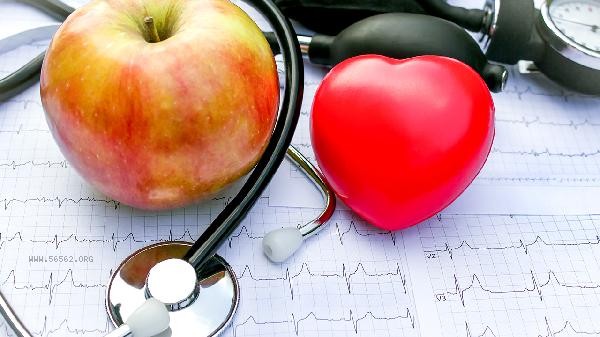
Choosing to heat with skin or cover to retain steam can reduce the loss of water-soluble vitamins. It is recommended to cut the fruit evenly into chunks, cover it with a microwave container, heat it for 30 seconds, and then flip it over. The total duration should be controlled within 2 minutes. The heated fruit is more suitable for people with weak gastrointestinal function, but diabetes patients should pay attention to the fact that high temperature may increase the glycemic index of some fruits. By alternating between consuming fresh and heated fruits according to nutritional needs, one can obtain a more comprehensive range of nutrients.








Comments (0)
Leave a Comment
No comments yet
Be the first to share your thoughts!