
The water boiled with edamame turns red and can generally be continued to be consumed, usually due to the dissolution of natural pigments or oxidation reactions. The main reasons for the redness of edamame are iron pot reaction, anthocyanin precipitation, prolonged storage time, changes in water quality acidity and alkalinity, and variety characteristics. It is common for edamame to turn red during cooking, mainly due to the natural plant pigments contained in it. The skin and pods of edamame contain anthocyanins, which are water-soluble pigments that easily dissolve and turn red when heated or exposed to alkaline water. When cooking in an iron pot, iron ions combine with tannic acid in edamame to form a red complex. Some varieties of edamame themselves contain high concentrations of anthocyanins, and the release of pigments is more pronounced after prolonged soaking or high-temperature cooking. The decreased freshness of edamame, due to increased cell membrane permeability, makes it easier for pigments to seep into water and turn red, which usually does not affect the food safety of edamame. If the boiled water of edamame shows an abnormally deep red color or a pungent odor, it may indicate a risk of spoilage. Long stored edamame may produce metabolic products due to microbial reproduction, leading to discoloration of water quality and accompanied by a rancid taste. When using tap water with high chlorine content or coming into contact with copper kitchen utensils, it may also cause abnormal color reactions. It is recommended to stop consuming this type of red edamame water and observe whether the beans have sticky, moldy or other spoilage characteristics.
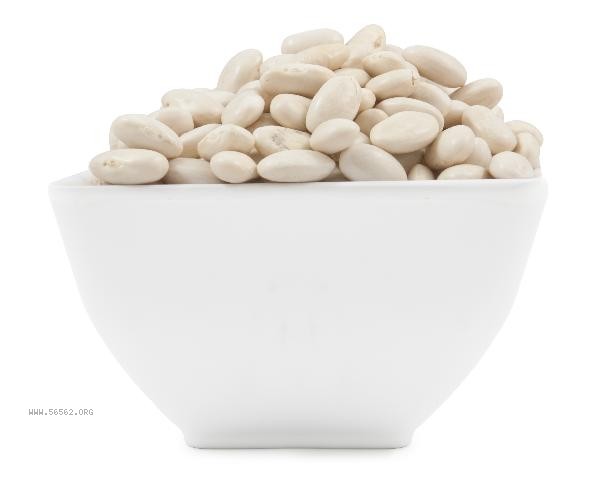
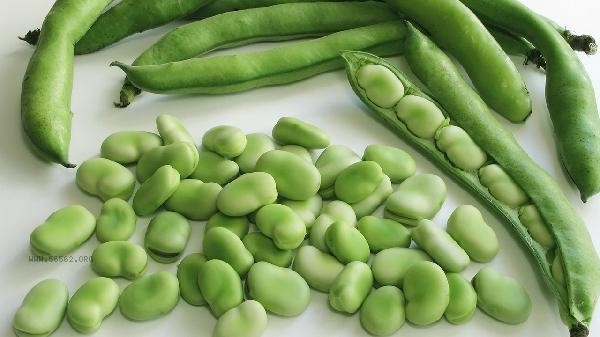
Stainless steel cookware can be chosen for daily cooking of edamame, which can be blanched in neutral water for a short period of time to preserve nutrients. It is recommended to choose fresh green and plump edamame pods, and rinse thoroughly with water before cooking. If the beans become soft, black, or emit a strange odor, they should be discarded immediately. Reasonably control the single consumption amount. For those with weak gastrointestinal function, it is necessary to chew thoroughly to avoid bloating. It is recommended to consume cooked edamame stored in refrigeration within 24 hours.








Comments (0)
Leave a Comment
No comments yet
Be the first to share your thoughts!