
If there is no burnt taste or obvious discoloration after the milk base is burnt, it can generally be consumed; If burnt substances or odors have already been produced, it is not recommended to continue drinking. Milk batter is usually caused by excessive heating temperature or delayed stirring. A small amount of burnt material may affect the taste but is harmless, while a large amount of burnt material may produce harmful substances. Lactose and protein in milk are prone to Maillard reaction at high temperatures, forming brown char. When the bottom is slightly burnt, the burnt material mainly adheres to the bottom of the pot, and the upper layer of milk is not directly exposed to high temperature, resulting in less loss of nutrients. At this point, the bottom sediment can be filtered out before drinking, but the taste may have a slight burnt bitterness. It should be noted that the milk with a base should be consumed as soon as possible to avoid long-term storage and bacterial growth. When milk shows obvious black lumps, a pungent burnt taste, or a thickened texture, it indicates that a deep coking reaction has occurred. High temperatures can cause protein denaturation and produce potentially harmful substances such as acrylamide, while also damaging thermosensitive nutrients such as vitamin B. This type of milk with a sticky base may irritate the gastrointestinal mucosa, causing discomfort such as nausea and diarrhea, especially for infants, young children, and those with weak digestive function should avoid drinking it.
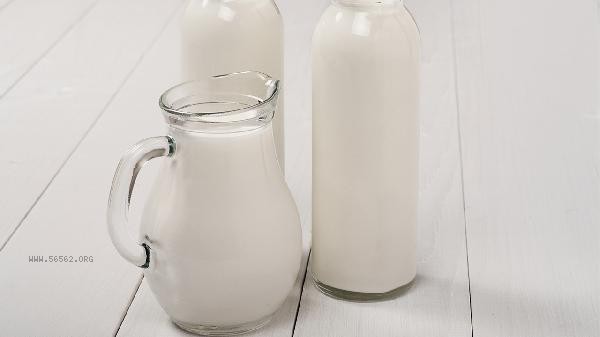
It is recommended to use a double-layer water-resistant heating method for daily milk boiling, control the heat to medium low and continue stirring. If using a microwave oven for heating, pausing stirring every 30 seconds can effectively prevent local overheating. For milk that has already been skimmed, it is recommended to observe its color, odor, and texture changes. A small amount of skimmed milk can be filtered and used for baking or making pasta. If it is severely skimmed, it should be discarded. Pay attention to refrigeration when storing milk, and it is best to consume it within 24 hours after opening to ensure food safety.








Comments (0)
Leave a Comment
No comments yet
Be the first to share your thoughts!