
It is usually not recommended to continue drinking milk that has a burnt taste after boiling. Burnt milk may produce harmful substances and significantly reduce its taste and nutritional value.
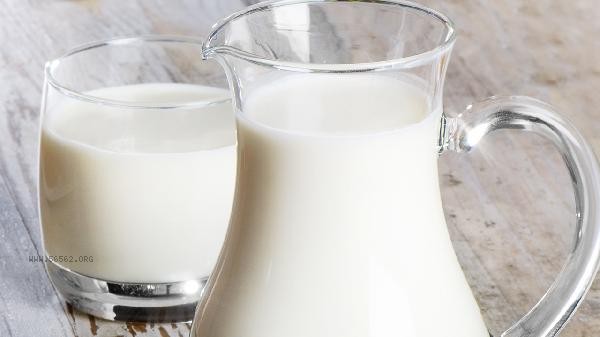
Milk undergoes Maillard reaction with lactose and protein during high temperature heating, resulting in a darker color and a burnt taste. Although this reaction does not directly generate highly toxic substances, it can damage the vitamin B group, calcium and other nutrients in milk, and may also produce potentially harmful compounds such as acrylamide. When the degree of burning is mild, milk may only have a taste issue, but when the burning is severe, drinking it may irritate the gastrointestinal mucosa, causing nausea or diarrhea. If the milk only slightly sticks to the bottom of the pot and the burnt taste is not obvious, it can be quickly transferred to a clean container and the sediment filtered. However, milk that is repeatedly heated at high temperatures still poses a risk of protein denaturation. For lactose intolerant individuals, burnt milk is more difficult to digest and absorb, which may exacerbate bloating symptoms. Infants, pregnant women, and those with weak digestive function should absolutely avoid drinking this type of milk to prevent indigestion or food poisoning.
It is recommended to use a double-layer pot or induction cooker to control the heat when boiling milk in daily life, avoiding direct high-temperature boiling. Milk storage should be refrigerated and consumed within its shelf life. After opening, it should be heated no more than once. If symptoms such as abdominal pain and vomiting occur after accidentally drinking a small amount of burnt milk, it is necessary to replenish fluids in a timely manner and seek medical examination. Choosing pasteurized refrigerated fresh milk can reduce the need for heating, making it safer and more nutritious to drink directly.








Comments (0)
Leave a Comment
No comments yet
Be the first to share your thoughts!