
Tea can be stored in the refrigerator, but it depends on the type of tea and storage conditions. Green tea, fragrant oolong tea, etc. are suitable for refrigeration, while black tea, black tea, etc. can be dried and stored at room temperature. Tea storage is mainly affected by factors such as oxidation, humidity, temperature, light, and odor.
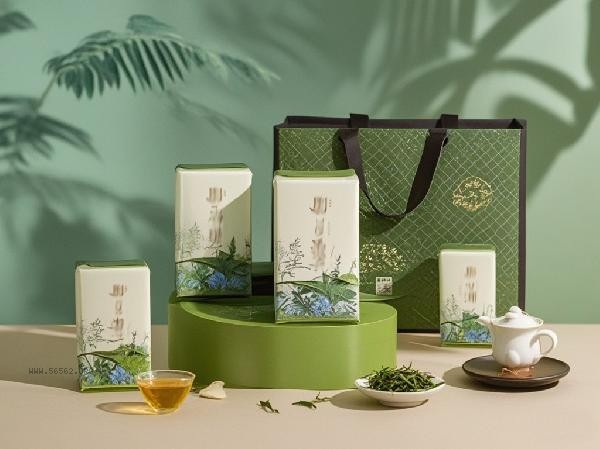
1. Tea suitable for refrigeration
Green tea and light fermented oolong tea contain a high amount of tea polyphenols, which are easily oxidized and spoiled at room temperature. The low-temperature environment of the refrigerator can delay oxidation, maintain color and freshness. When storing, it is necessary to seal it with aluminum foil bags or tin cans to prevent water vapor from entering. After being taken out of the refrigerator, it should be allowed to stand at room temperature before opening to prevent condensation from damaging the structure of the tea leaves.
2. Tea leaves that are not suitable for refrigeration
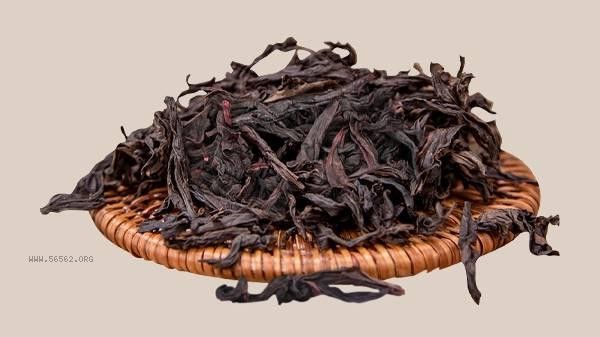
Fully fermented black tea and post fermented black tea need to be exposed to air to promote aging, and refrigeration will inhibit the transformation of flavor compounds. Pu erh tea and other compressed teas are prone to mold if they become damp, and the humidity in the refrigerator may accelerate their quality change. This type of tea is more suitable for storage in a cool and ventilated place using purple clay jars or kraft paper bags.
III. Oxidative Effects
Tea polyphenols, thearubigins, and other components in tea can undergo enzymatic browning when exposed to oxygen. Although refrigeration can reduce the oxidation rate, it cannot completely block it. Vacuum packaging or nitrogen filling for preservation can be combined with low-temperature storage, especially suitable for high-quality green teas such as Longjing and Biluochun.
Fourth, humidity control
Tea with a moisture content exceeding 6% is prone to mold growth. The humidity in the refrigerator compartment is usually above 60%, and it needs to be used in conjunction with desiccants. The constant temperature dehumidification effect of an independent freezer is better, and it is recommended to set the temperature at 0-5 degrees Celsius to avoid freezing and causing tea cell rupture.
Fifth, Odor Isolation
Tea has strong adsorption properties, and odor molecules such as seafood and dairy products in the refrigerator can penetrate the packaging. It is recommended to use a dedicated tea preservation box or store it together with an activated carbon pack. Tin cans have better sealing performance than glass containers and can effectively block the migration of odors.
Tea should be stored away from light and moisture in daily life, and should be consumed within 3 months after opening. Refrigerated tea leaves should not be frequently returned after being taken out, as temperature fluctuations can accelerate quality deterioration. Store different types of tea separately to avoid cross flavors. Regularly check the condition of the tea leaves, and discard them immediately if there are mold spots or odors. For high-value tea, professional tea refrigerators can be considered to maintain stable temperature and humidity.








Comments (0)
Leave a Comment
No comments yet
Be the first to share your thoughts!