
During menstruation, weight loss can be achieved, but it should be done in a gentle manner. The weight loss effect varies from person to person, and some women may be more likely to lose weight if their metabolism accelerates during menstruation, but it is not advisable to excessively diet or engage in vigorous exercise. During menstruation, hormone levels in women fluctuate greatly, and a decrease in progesterone levels may slightly increase the basal metabolic rate in some individuals. Properly controlling calorie intake and combining it with low-intensity exercise such as walking, yoga, or swimming at this time can help maintain weight management plans without increasing physical burden. When the endometrium falls off during menstruation, the body is in a more sensitive state. It is important to supplement foods rich in iron and protein, such as lean meat, animal liver, and dark green vegetables, to prevent anemia caused by blood loss. Choose foods with low calorie density but rich nutrition, such as oatmeal Congee, steamed fish and fruit, and reduce the intake of high salt and sugar foods to alleviate edema symptoms. A small number of women may experience severe discomfort symptoms such as dysmenorrhea, headache, or extreme fatigue during their menstrual period, and it is not recommended to implement a weight loss plan in such cases. Forcefully dieting for severe menstrual cramps may exacerbate uterine spasms, while vigorous exercise may lead to dizziness or abnormal increase in menstrual blood flow. For individuals with endocrine disorders such as polycystic ovary syndrome or thyroid dysfunction, the weight loss effect during menstruation is unclear and may interfere with hormone balance. Women with low body weight or low body fat percentage who limit calorie intake during menstruation may experience menstrual cycle disorders or even amenorrhea.
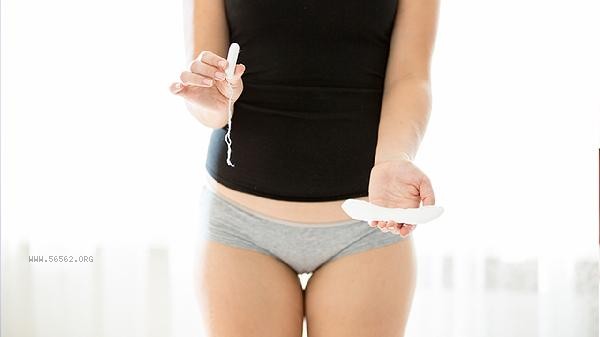
It is recommended to adopt a segmented management approach of maintaining a balanced diet for the first three days of menstruation and moderate calorie control for the last four days. Maintain a daily intake of at least 2000 milliliters of water to aid metabolism, and keep exercise heart rate below 60% of maximum heart rate. Recording menstrual cycle and weight change curve is helpful to understand individual physical characteristics and avoid false weight loss judgment caused by water retention disappearance after menstruation. If there is persistent fatigue or menstrual abnormalities, the weight loss plan should be stopped in a timely manner and medical examination should be sought.










Comments (0)
Leave a Comment
No comments yet
Be the first to share your thoughts!