
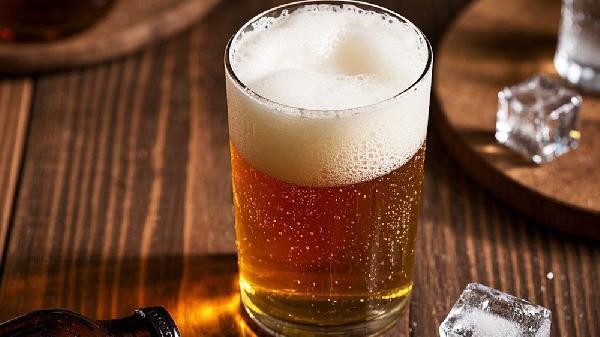
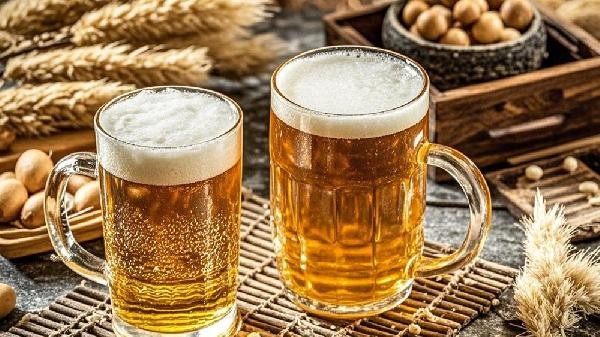
It is generally not recommended to drink beer during weight loss. Beer is high in calories and contains alcohol, which may affect fat metabolism and increase additional calorie intake. Occasional small consumption has little effect on weight loss, but frequent consumption can hinder the weight loss effect. Beer contains about 30-40 calories per 100 milliliters, mainly from the conversion of maltose and alcohol. A regular 500ml bottle of beer is equivalent to the calories of a bowl of rice. Alcohol is preferentially consumed during the metabolic process in the body, delaying the rate of fat breakdown. The carbon dioxide in beer may stimulate appetite, leading to the intake of more high calorie foods. Mild or short-term alcohol consumption has a relatively minor impact on metabolism, and when controlled within 1-2 times a week, with each dose less than 200 milliliters, it has limited interference with weight loss plans. Long term excessive consumption can cause more significant effects. Drinking more than 500 milliliters per day may cause insulin resistance and promote visceral fat accumulation. Alcohol can inhibit leptin secretion, increase hunger, and reduce satiety. The purine metabolites in beer may induce edema, leading to a false increase in weight measurement. Some individuals have poor alcohol metabolism and may experience liver dysfunction due to alcohol consumption, further reducing their basal metabolic rate. People who are strictly controlling their calorie or ketogenic diet should completely avoid drinking alcohol. During the weight loss period, sugar free carbonated water, light tea, or lemon water can be chosen as alternatives to alcoholic beverages. If social drinking is required, it is recommended to prioritize dry wine and limit it to 100 milliliters. Maintaining regular exercise can help offset the calorie surplus caused by occasional alcohol consumption, but it is not advisable to rely on exercise to burn alcohol calories. If there is excessive appetite or persistent edema after drinking alcohol, it is necessary to adjust the diet structure in a timely manner and consult a nutritionist.









Comments (0)
Leave a Comment
No comments yet
Be the first to share your thoughts!