
Eating crabs without washing them directly may pose health risks. It is recommended to thoroughly wash them before cooking. Crabs may carry sediment, bacteria, or parasites on their surface, which can cause gastrointestinal discomfort or infection if not thoroughly cleaned and cooked at high temperatures. Crabs live in freshwater or seawater, and their bodies and gills are prone to attachment of sediment, algae, and microorganisms. Some water bodies may have industrial pollution or parasitic contamination, and direct consumption of unwashed crabs may result in ingestion of heavy metals and pathogenic bacteria such as Vibrio parahaemolyticus. These pathogens can cause acute gastroenteritis symptoms such as abdominal pain, diarrhea, vomiting, and in severe cases, may lead to sepsis. In rare cases, crabs may carry parasitic larvae such as lung flukes in their bodies. If eaten raw or not thoroughly cooked, parasites may invade the human intestine or lungs, causing chronic infections. The initial symptoms of this type of infection are insidious, and later symptoms such as coughing, hemoptysis, and abdominal pain may occur. Freshwater crabs pose a higher risk than sea crabs, but both require sufficient heating treatment.
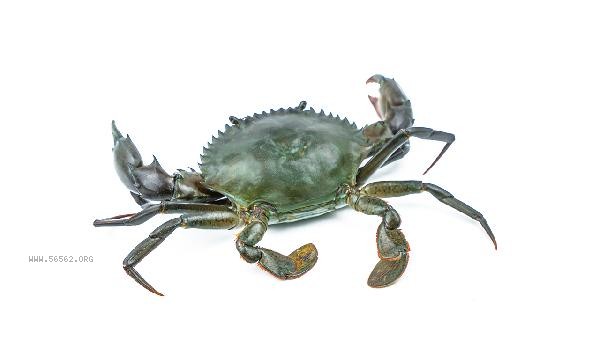
It is recommended to clean the crab shell, belly cover, and joint gaps with a hard bristled brush before consumption, remove surface dirt, and steam at high temperature for more than 15 minutes. Avoid cooking methods such as marinating and drinking crabs that have not been fully heated, especially for children, pregnant women, and those with low immunity. If symptoms such as persistent abdominal pain and fever occur after consumption, seek medical attention promptly.










Comments (0)
Leave a Comment
No comments yet
Be the first to share your thoughts!