
Noodles that are not cooked well are generally not recommended for consumption as they may cause indigestion or bacterial infections. The starch structure of undercooked noodles is not fully destroyed, making it difficult for the human body to digest and absorb, and there may be a risk of bacterial contamination. The main component of noodles is wheat flour, and its starch granules can only be effectively decomposed by human digestive enzymes after high-temperature gelatinization. When there is still a hard core in the center of the noodles, incomplete starch gelatinization may cause discomfort such as bloating and acid reflux when entering the gastrointestinal tract. Some individuals, such as children, the elderly, or those with weak gastrointestinal function, may experience more pronounced symptoms. Traditional handmade noodles may carry a small amount of bacteria during the production process, and boiling them thoroughly can have a sterilizing effect. In the semi cooked state, the temperature at the center of the noodles is insufficient, which may result in residual pathogenic microorganisms.
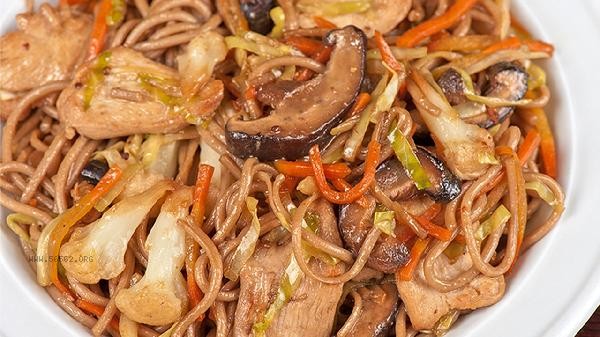
In special circumstances, consuming a small amount of undercooked noodles may not immediately cause symptoms, which is related to differences in the quality of noodle ingredients and personal constitution. The probability of bacterial contamination is relatively low for industrially produced noodles that have undergone aseptic processing or Italian pasta that has undergone high-temperature drying treatment. But when these types of noodles are not fully cooked, the taste is stiff, and the digestibility of protein and starch will still be significantly reduced. Long term consumption may affect nutrient intake.
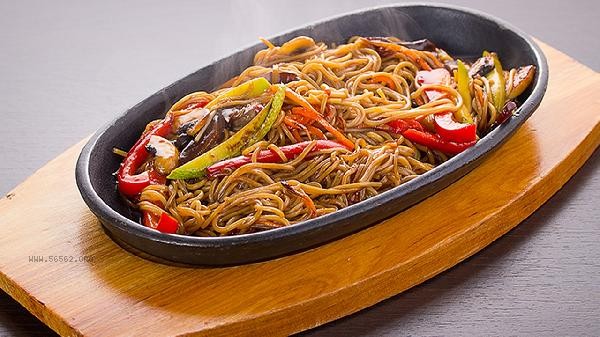
It is recommended to cook the noodles until they are completely softened and free of white chips. The time required for different types of noodles varies, with regular noodles taking 5-8 minutes and Italian noodles taking 10-12 minutes. During the cooking process, it can be stirred multiple times to prevent adhesion, and the center part can be confirmed to be fully cooked by tasting. If you experience persistent abdominal pain and diarrhea after accidentally eating undercooked noodles, you should seek medical attention promptly to investigate the risk of foodborne diseases. Pay attention to pairing vegetables, high-quality protein and other foods in daily diet to ensure a balanced intake of nutrients.








Comments (0)
Leave a Comment
No comments yet
Be the first to share your thoughts!