
It is normal for teeth to feel astringent when eating spinach, which is usually related to the stimulation of oral mucosa by calcium oxalate crystals in spinach. The astringency of teeth may be related to factors such as oxalic acid content, personal oral sensitivity, dietary habits, oral environment, and digestive function. Spinach contains a high concentration of oxalic acid, which combines with calcium ions in saliva to form tiny crystals. When these crystals adhere to the surface of teeth, they create a frictional sensation, resulting in a rough tactile sensation. Calcium oxalate crystals are a physical stimulus and do not cause chemical corrosion to dental enamel. Most people gradually feel discomfort after chewing or rinsing their mouth thoroughly. The oxalic acid content of fresh spinach is usually higher than that of blanched spinach, and people with sensitive teeth are more likely to experience obvious astringency. In rare cases, tooth stiffness may be accompanied by oral mucosal pain or tongue numbness, which is often related to excessive consumption of untreated spinach. Oxalic acid may temporarily lower the local pH value in the oral cavity, stimulate nerve endings, and cause abnormal sensations. Individuals with weak gastrointestinal function who consume high calcium foods at the same time may increase the risk of calcium oxalate deposition. It is recommended for this group of people to blanch spinach before consumption, which can destroy the oxalic acid structure while retaining nutrients such as iron.
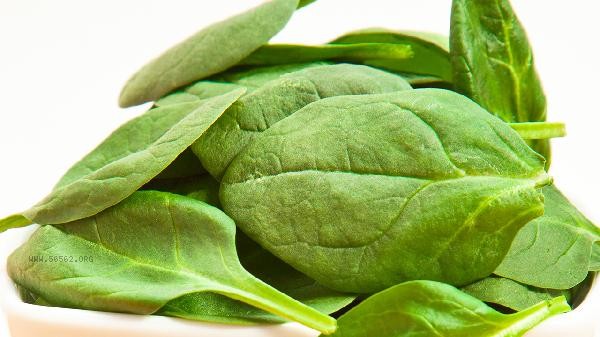
When consuming spinach in daily life, it can be paired with ingredients rich in vitamin C to help convert oxalic acid into soluble substances. Rinsing mouth with clean water in a timely manner after eating can effectively remove residual crystals in the mouth. For patients with long-term tooth discomfort and gum bleeding, it is necessary to investigate whether there is enamel damage or oral inflammation. Children and elderly people should pay attention to controlling their single intake of spinach to avoid oxalic acid affecting mineral absorption.








Comments (0)
Leave a Comment
No comments yet
Be the first to share your thoughts!