
Cleaning fruits with salt is not entirely correct as it may affect taste and nutrition. Surface dirt and pesticide residues on fruits can be effectively removed through methods such as rinsing with running water or soaking in baking soda. The particles of salt are relatively coarse, and directly rubbing the fruit skin may damage the structure of the flesh, leading to water loss or softening of the texture. Soaking in high concentration salt water can alter the osmotic pressure of fruit cells, causing the precipitation of some water-soluble vitamins and reducing their nutritional value. Salt residue may also mask the original flavor of fruits, posing health risks to individuals with high blood pressure or those who require a low sodium diet. Some hard skinned fruits such as apples and pears can be temporarily soaked in diluted salt water to assist in cleaning, but the salt concentration and duration need to be controlled. The pores on the skin of delicate fruits such as waxberries and strawberries are prone to salt infiltration, and this method is not recommended. The decomposition effect of salt on fat soluble pesticides is limited and cannot replace professional fruit and vegetable cleaners.
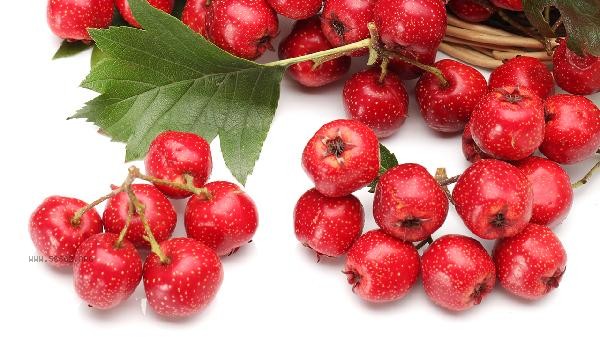
For daily fruit cleaning, it is recommended to first rinse the surface dust with flowing water, and stubborn stains can be lightly brushed with a soft bristled brush. Organophosphorus pesticide residues can be soaked in baking soda water, while pyrethroid pesticides should be decomposed using rice washing water. Peeling for consumption can remove most of the epidermal pollutants, but the nutritional loss needs to be balanced. Special groups can choose fruits labeled with agricultural product quality certification to reduce cleaning burden.








Comments (0)
Leave a Comment
No comments yet
Be the first to share your thoughts!