
Whether to clean tea stains depends on the specific situation. Tea stains that are not cleaned in a timely manner may breed bacteria, but tea stains that are moderately retained may improve the nourishment of tea utensils. Tea scale is an attachment formed by the long-term deposition of tea polyphenols, minerals, and other components. If tea utensils are not cleaned in a timely manner after use, damp environments can easily breed microorganisms such as Escherichia coli, which may cause gastrointestinal discomfort. Especially for rough pottery materials such as purple clay pots, there are more pores and a higher risk of bacterial residue. Although high-temperature brewing can kill some bacteria, the heavy metal deposits in tea leaves may slowly release, which is harmful to health if consumed for a long time. It is recommended to use tea sets made of dense materials such as glass and ceramics in daily life. After drinking tea, wipe the inner walls with a soft cloth and thoroughly clean them with edible alkali or citric acid once a week.
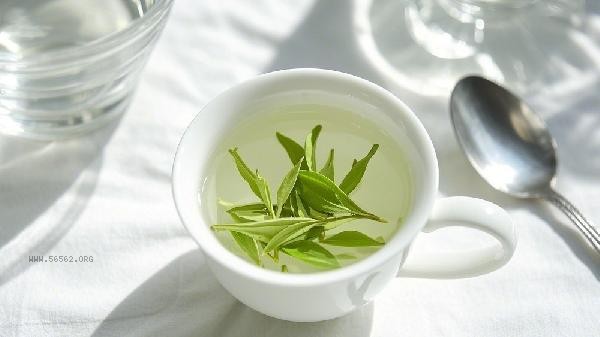
Some old tea drinkers deliberately keep tea stains to nourish the teapot, believing that tea stains can enhance the richness and thickness of the tea soup. This habit is more common in brewing fermented teas such as Pu erh tea and black tea. The oxidation products of tea polyphenols in tea stains may indeed alter the osmotic pressure of tea water, making the taste smoother. However, it should be noted that only single tea specific pots are allowed, and a dry and ventilated environment should be maintained. If there are mold spots or odors on the tea stains, they must be removed immediately. Purple clay teapots need to be regularly opened and maintained to prevent excessive bacterial growth.
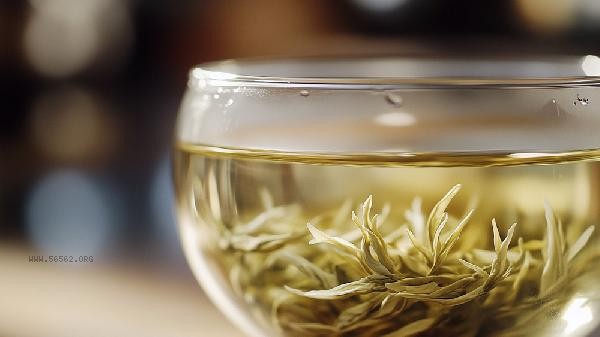
Tea set cleaning should balance hygiene and teapot maintenance needs. It is recommended to thoroughly clean the new tea set and leave a thin layer of tea stains after 3 months of use. Pay attention to the condition of tea stains. When clumping or discoloration occurs, gently scrub with a nano sponge. Avoid scratching with hard objects such as steel wire balls to prevent damage to the surface of the tea set. Different materials of tea sets can be paired with specialized teapot pens for care, which can maintain moderate tea stains and reduce the risk of bacterial growth.








Comments (0)
Leave a Comment
No comments yet
Be the first to share your thoughts!