
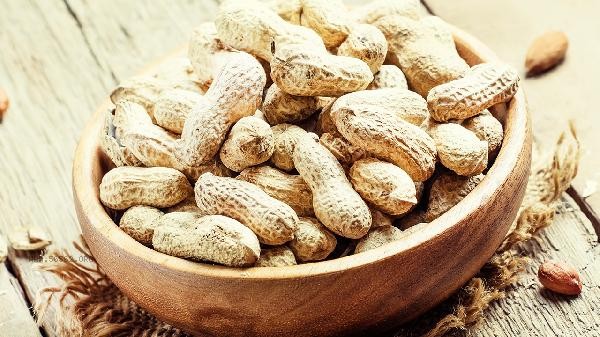
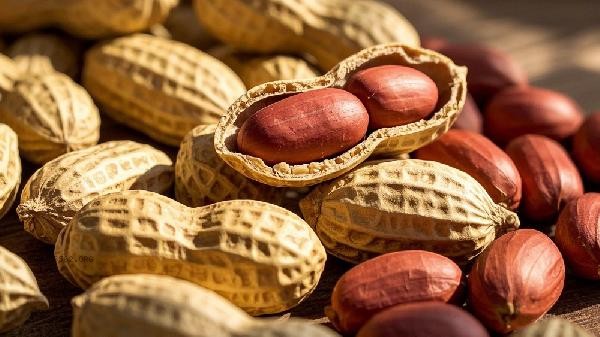
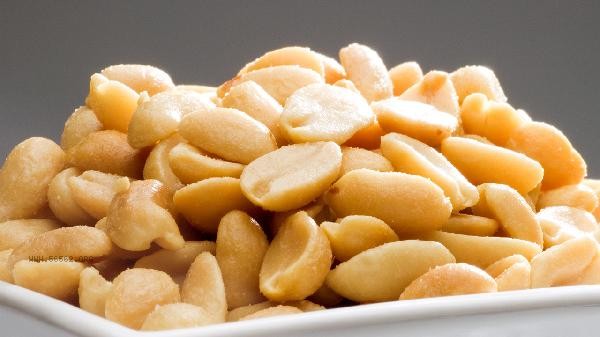
Small and large peanuts each have their own advantages, and the choice should be based on specific needs. Small peanuts usually have a higher oil content and are suitable for oil extraction, while large peanuts with plump kernels are more suitable for direct consumption. Small grained peanuts are widely used in the field of oil extraction, with a generally higher oil content than large grained varieties and a high oil yield rate. They are suitable for making peanut oil or as raw materials for oil processing. This type of peanut has a thin shell and small kernel volume, but a compact texture. After baking, it has a strong aroma. From a nutritional perspective, small peanuts are rich in unsaturated fatty acids and vitamin E, which have certain benefits for cardiovascular health. However, it should be noted that small peanuts may have incomplete impurity screening due to their small size, and careful selection is necessary before consumption. Large peanuts are known for their large and plump kernels, making them more suitable for direct consumption as a snack or for cooking. This type of peanut usually has a thicker seed coat and can maintain a good taste after boiling or frying. Large peanuts have a relatively prominent protein content and contain various essential amino acids for the human body, which can be used as a source of plant protein supplementation. Its larger size also facilitates shell removal, making it suitable for making peanut products such as peanut butter and sugar coated peanuts. However, large peanuts may experience uneven heating during high-temperature frying, and it is necessary to control the processing heat well. Regardless of the type of peanut chosen, it is recommended to control daily intake within a reasonable range. Although peanuts are nutritious, they have a high calorie content, and excessive consumption may lead to excess energy. During storage, it is necessary to maintain dryness and ventilation to avoid contamination by Aspergillus flavus. People with peanut allergies should strictly avoid contact and seek medical attention promptly if allergic reactions occur. Daily consumption can be paired with grains or vegetables to achieve a more balanced nutrient intake.








Comments (0)
Leave a Comment
No comments yet
Be the first to share your thoughts!