
Both raw and cooked frozen beans have their own advantages. Raw frozen beans can better maintain a crispy and tender taste, while cooked frozen beans are easier to process quickly in the future. The selection method should be comprehensively judged based on cooking needs, nutrient retention, and storage time.
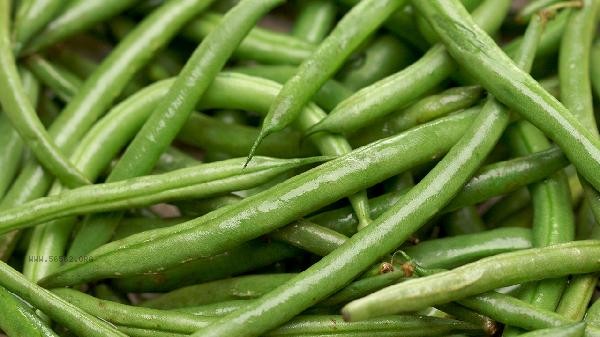
When the green beans are frozen, they are directly washed and cut into sections before freezing. The cell structure is less damaged, and even after thawing, they can still maintain a high moisture content and crisp texture. They are suitable for cold mixing or short stir frying. However, green beans contain natural plant lectins, which cannot be completely decomposed by freezing. It is necessary to ensure thorough heating in the future. Stewing is the process of blanching the beans until they are dead and then freezing them. High temperatures can damage some of the cell walls and inactivate lectins, which can shorten the cooking time and make them more suitable for stewing dishes. The pre cooking process can lead to partial loss of water-soluble vitamins C and B, but dietary fiber and mineral stability are relatively high. From the perspective of storage safety, cooked and frozen beans have lower microbial risks due to sterilization treatment, making them suitable for long-term storage. If the raw frozen beans are not thoroughly cleaned, there may be pesticide residue hazards. It is recommended to consume them within three months. Both methods require packaging and sealing to avoid repeated thawing. Cooling the frozen beans to room temperature before freezing can reduce the damage of ice crystals to the texture. In special circumstances, such as making dried beans, they need to be cooked first, while preserving bright colors can choose the raw freezing and rapid freezing process.
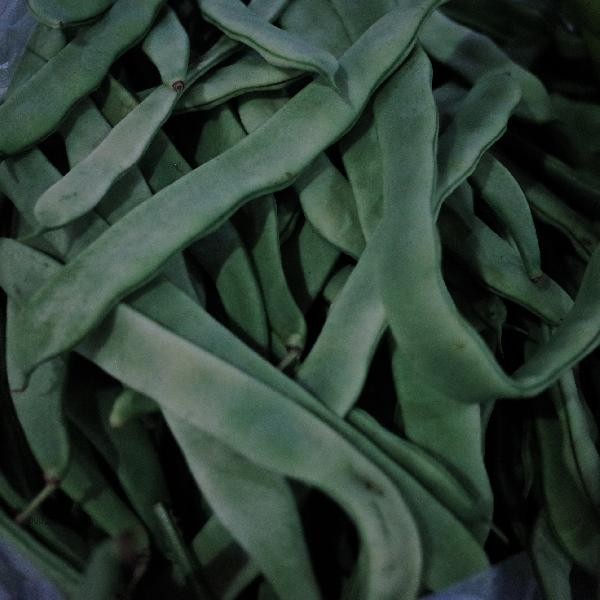
Regardless of the freezing method used, it is recommended to divide the beans into individual doses and label them with dates to avoid expired storage. Before cooking, it is not necessary to thaw and can be used directly. For cooked and frozen beans, the heating time can be shortened to 5 minutes. For raw and frozen beans, it is necessary to ensure that they are boiled for more than 10 minutes to decompose lectins. Frozen beans should not be repeatedly frozen and thawed, as nutrient loss will worsen. When cooking with meat, the stewing time can be appropriately extended to allow the beans to fully absorb the soup and make it more flavorful. Pay attention to checking whether the refrigerator temperature is stable below minus 18 degrees Celsius during daily storage to avoid temperature fluctuations affecting quality.








Comments (0)
Leave a Comment
No comments yet
Be the first to share your thoughts!