
Pomegranate seeds are usually edible, but people with weaker digestive function are advised to spit them out. Pomegranate seeds contain nutrients such as dietary fiber and polyphenols, which are beneficial to health. However, excessive intake may increase gastrointestinal burden. The hard outer layer of pomegranate seeds contains a lot of lignin, which is difficult for the human body to fully digest and absorb, but it can release some active ingredients after chewing. Polyphenols in pomegranate seeds have antioxidant properties and help eliminate free radicals. Moderate intake is beneficial for cardiovascular health. Eating a small amount of pomegranate seeds can promote intestinal peristalsis and improve bowel movements in individuals with normal gastrointestinal function. Pomegranate seed oil is rich in unsaturated fatty acids, which can help regulate blood lipids, but it needs to be obtained through professional extraction processes. People with gastrointestinal sensitivity or decreased digestive ability who consume pomegranate seeds are prone to discomfort such as bloating and abdominal pain. It is recommended for children and the elderly to remove the seeds before consumption. Tannic acid in pomegranate seeds may affect protein absorption, and people with anemia or malnutrition should control their intake. Swallowing pomegranate seeds as a whole carries a risk of coughing, and parents should carefully remove the seeds when young children consume them. Some varieties of pomegranate seeds have high hardness, and long-term chewing may cause enamel wear.
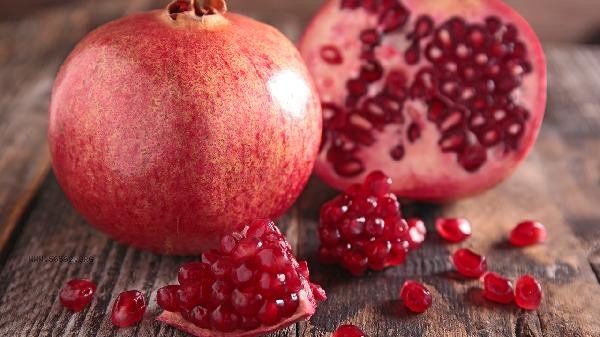
When consuming pomegranates, one can decide whether to eat seeds based on their individual constitution. It is recommended that healthy adults consume no more than 20 whole pomegranate seeds per day. Paired with yogurt or honey, it can soften the hardness of the seeds. For those with gastrointestinal discomfort, they can use gauze to filter and extract juice for consumption. Choosing soft seed pomegranate varieties can reduce digestive burden, and consuming them two hours after meals is more conducive to nutrient absorption. When experiencing persistent abdominal pain or abnormal bowel movements, stop consuming grains and seek medical examination.









Comments (0)
Leave a Comment
No comments yet
Be the first to share your thoughts!