
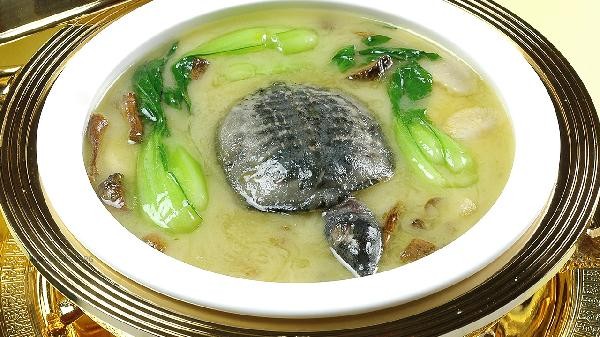
The size of turtles should be determined based on cooking needs and nutrient intake. Larger turtles have thicker meat and are suitable for stewing soup, while smaller turtles have tender meat and are suitable for steaming or braising. The differences in body size of turtles directly affect their taste and distribution of nutrients. The larger turtle has a long growth cycle, hard and compact shell, high collagen and mineral content, and is suitable for stewing for a long time to make the soup thick. This type of turtle has a wide and thick belly shell, a relatively small proportion of internal organs, and more edible parts, but the flesh fiber is thicker and needs to be fully cooked and softened. Smaller turtles have high activity levels, delicate muscle fibers, less fat deposition, and easier protein absorption by the human body, making them suitable for quick cooking to preserve a fresh and tender taste. Its shell is relatively thin and easy to handle, but the proportion of internal organs is slightly higher and requires attention to cleaning. From the perspective of nutritional value, the skirt area of large turtles is rich in chondroitin sulfate and calcium, which are more advantageous for joint maintenance, while the muscle tissue of small turtles contains more branched chain amino acids. The trace element content of turtles grown in wild environments, regardless of size, is generally higher than that of artificially cultivated varieties. Special populations should be aware that those with weaker digestive function are more suitable for consuming small turtles. For patients in the postoperative recovery period, it is recommended to choose a nourishing soup made from boiled large turtles.

When selecting turtles, it is recommended to observe the glossiness of the carapace and the elasticity of the abdomen. It is best for live turtles to have prominent and lively eyeballs. Soak in warm water before cooking to remove surface mucus, and pair with yam or goji berries to enhance nourishing effects. Control the frequency of consumption, no more than twice a week, and gout patients should avoid drinking turtle soup. If it cannot be consumed immediately after purchase, the internal organs can be cleaned and frozen for storage, but it should not exceed one month.








Comments (0)
Leave a Comment
No comments yet
Be the first to share your thoughts!