
It is better to use cold water to soak seaweed shreds, as hot water can easily lead to nutrient loss and poor taste. The main ways to soak seaweed include slow soaking in cold water, rapid soaking in hot water, vinegar assisted soaking, soaking in rice water, steaming, etc.
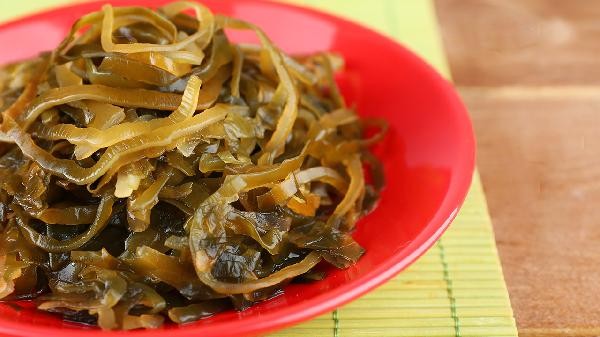
1. Slow soaking in cold water
Cold water soaking can maximize the retention of water-soluble vitamins and minerals in kelp. Soak dried seaweed shreds in clean water for 3-4 hours, and change the water 2-3 times during this period to remove surface impurities. Seaweed soaked in cold water has a crisper texture and is suitable for making cold dishes or soup ingredients. Pay attention to the water quality and choose filtered water or cold boiled water to avoid the influence of chlorine gas in tap water on flavor.
2. Rapid soaking in hot water
Although hot water can shorten the soaking time to about 30 minutes, high temperature can damage the active substances such as fucoidan in kelp. Water temperature exceeding 60 degrees Celsius can cause the formation of a gelatinous film on the surface of kelp, hindering the continued infiltration of water. This method is only suitable for situations where it is urgently needed and should be immediately cooled with supercooled water after soaking. Seaweed soaked in hot water is more suitable for stewing dishes, as it can soften and release its freshness more quickly.
3. Adding vinegar assistance
Adding a small amount of vinegar to cold water can accelerate the water absorption and expansion of kelp. The acidic environment of vinegar can decompose the gelatinous substances on the surface of kelp, reducing the soaking time to about 2 hours. It is advisable to add 5 milliliters of white vinegar every 500 milliliters of water, as excessive amounts can cause excessive sourness in kelp. This method is particularly suitable for the thicker texture of kelp roots, which can soften the fibrous tissue faster.
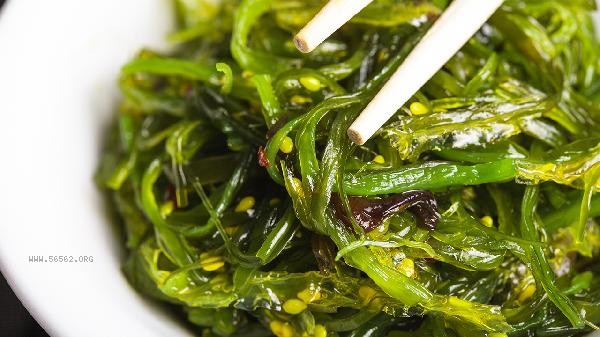
4. Soaking in rice washing water
Starch particles in rice washing water can adsorb impurities and fishy odors on the surface of kelp. Soaking seaweed shreds in the second layer of rice washing water can not only maintain nutrition but also have a natural cleansing effect. The B vitamins in rice washing water can also combine with minerals in kelp to enhance its nutritional value. The soaking time should be controlled at around 3 hours, and attention should be paid to refrigeration in summer to prevent spoilage.
5. Steaming Method
Dry kelp is steamed in a flat steamer for 10 minutes and then soaked in cold water to ensure both efficiency and quality. Steam initially softens the kelp fibers, making it easier to fully absorb water after soaking in cold water. This method is suitable for large-scale processing, and the volume of steamed kelp can expand to 5-6 times that of the dry product. Note that the steaming time should not be too long to avoid excessive maturation and loss of toughness of kelp.
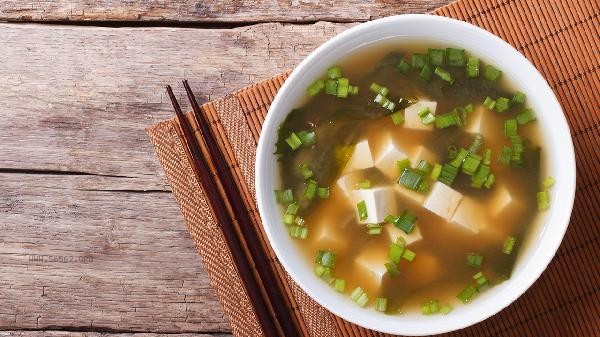
It is recommended to consume seaweed no more than 3 times a week, with each intake controlled within 50 grams. Individuals with thyroid dysfunction should consult a doctor before consuming to avoid excessive iodine intake that may affect their health. Seaweed that has been soaked should be thoroughly cleaned to remove any remaining sand particles. Before cooking, it can be torn by hand to a suitable size. Unused soaked seaweed should be drained of water and stored in the refrigerator. It is recommended to consume it within 2 days to ensure freshness. Pairing with ingredients such as tofu and radish can enhance the synergistic absorption effect of protein and dietary fiber.








Comments (0)
Leave a Comment
No comments yet
Be the first to share your thoughts!