
Disliking durian may be related to genetics, but not entirely determined by genetics. Differences in olfactory receptor genes, taste sensitivity, cultural environment influences, personal experiences, and psychological factors may all affect the acceptance of durian.
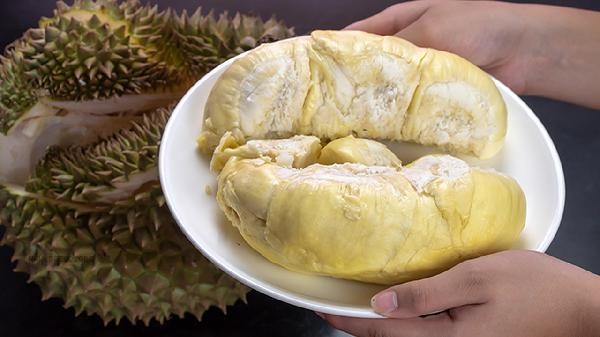
1. Olfactory receptor gene
There are individual differences in the sensitivity of olfactory receptors such as OR11A7 in the human body to sulfides contained in durian. Due to genetic variations, some individuals may have a stronger perception of the unique scent of durian, which may trigger an instinctive rejection reaction. This difference belongs to normal physiological phenomena and is closely related to genetic characteristics.
2. Taste sensitivity
The polymorphism of TAS2R38 bitter taste receptor gene affects the perception threshold of bitter substances in durian. People carrying specific genotypes may amplify the bitterness of durian while ignoring its sweet components. This taste difference is particularly evident in childhood and may continue to affect dietary preferences in adulthood.
3. Cultural Environment Influence
Southeast Asian residents generally accept durian as a daily fruit, while some non native populations may develop resistance when they first come into contact with it.
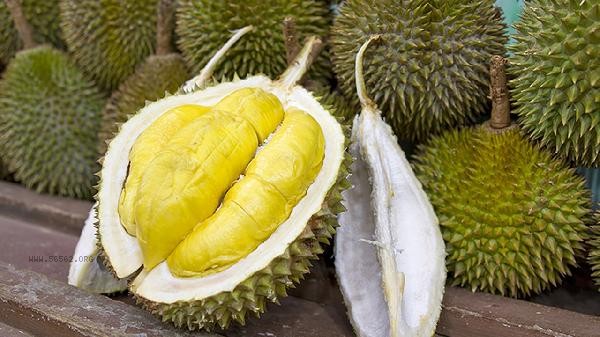
4. Personal experience
Negative memories related to durian during childhood may form conditioned aversion. This type of taste memory established after birth will cover the taste preferences of genes themselves, and even if genetic testing shows insensitivity to sulfides, it may still continue to reject the scent of durian.
5. Psychological factors [SEP]: Anxiety towards specific odors can enhance the experience of disgust. Some people may develop psychological suggestions due to the texture or appearance of durian, which may alter their actual taste judgments and lead to non physiological rejection reactions. For those who cannot accept durian, there is no need to forcibly change their dietary habits. Try low concentration products such as durian cake to gradually adapt, or choose tropical fruits with similar flavor but mild smell such as mangosteen and jackfruit to supplement nutrition. Maintaining dietary diversity can fully meet nutritional needs, and differences in preference for special odor foods are normal physiological and psychological phenomena. If you need to come into contact with durian for social reasons, it is recommended to first smell the less fragrant part of the fruit stem and combine it with nut foods to help neutralize the taste experience.








Comments (0)
Leave a Comment
No comments yet
Be the first to share your thoughts!