
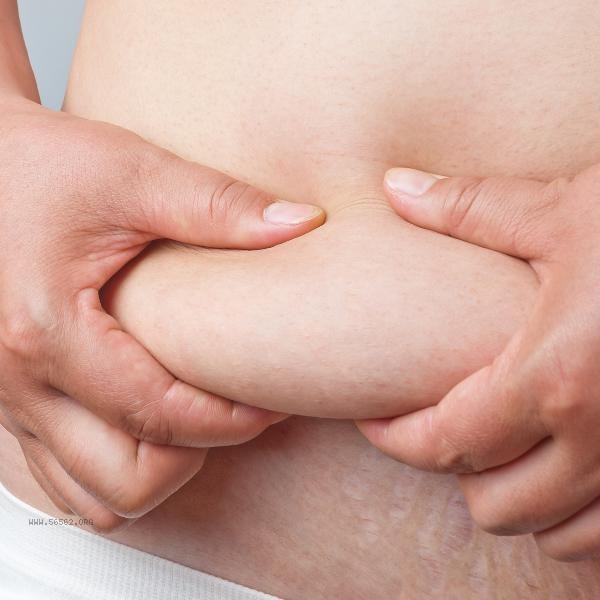
Fat extraction for weight loss may be harmful to the body, with main risks including infection, bleeding, and fat embolism. Liposuction is a surgical procedure that requires strict evaluation of indications and standardized postoperative care. Liposuction removes subcutaneous fat through negative pressure suction, and surgical trauma may cause local bruising and swelling. Improper operation can lead to uneven skin. The risks of general anesthesia include respiratory depression, drug allergic reactions, and the possibility of persistent pain or sensory abnormalities after surgery. The removal of adipocytes may affect metabolic balance, and there is still a risk of weight rebound in the short term. Although serious complications are rare, caution should be taken. Fat embolism may block the pulmonary artery, leading to difficulty breathing, and deep vein thrombosis may present with lower limb swelling and pain. Patients with weakened immunity are prone to secondary Staphylococcus aureus infection after surgery and require the use of antibiotics such as cefixime granules for control. Excessive liposuction may lead to hypovolemic shock, requiring blood transfusion and expansion therapy. After surgery, shapewear should be worn for 3-6 months to prevent skin sagging, and vigorous exercise should be avoided to prevent wound rupture. Maintain a light diet in daily life, control the intake of refined carbohydrates, and supplement high-quality protein in moderation to promote tissue repair. It is recommended to maintain weight loss through aerobic exercises such as swimming and brisk walking, and to review changes in body fat percentage every 3 months.










Comments (0)
Leave a Comment
No comments yet
Be the first to share your thoughts!