
Persimmon bitterness is usually non-toxic, but it may indicate immaturity or spoilage. Immature persimmons contain a high amount of tannic acid, which may cause gastrointestinal discomfort when consumed in large quantities; Rotten persimmons may breed mycotoxins. The bitterness of immature persimmons mainly comes from high concentrations of tannic acid, which combines with stomach acid to form sediment. When consumed on an empty stomach, it may cause digestive symptoms such as bloating and dull pain, which are more pronounced in children or those with weaker gastrointestinal function. Soaking in warm water, ripening apples, and other methods can effectively reduce tannic acid content, and peeling for consumption can also reduce astringency. Attention should be paid to the differences between commercially available sweet and astringent persimmon varieties, as some varieties require de astringency treatment before consumption. If persimmons exhibit abnormal bitterness accompanied by soft and rotten flesh and moldy skin, it may indicate mold growth. Moldy persimmons may produce harmful substances such as penicillin, which may cause symptoms of food poisoning such as nausea and vomiting if ingested by mistake. If mold is found, it should be stopped immediately. If there is slight discomfort, drinking more water can promote metabolism. If there is persistent abdominal pain or diarrhea, medical treatment is needed. When storing, it should be placed in a ventilated and cool place to avoid crushing, collision, and accelerated decay.
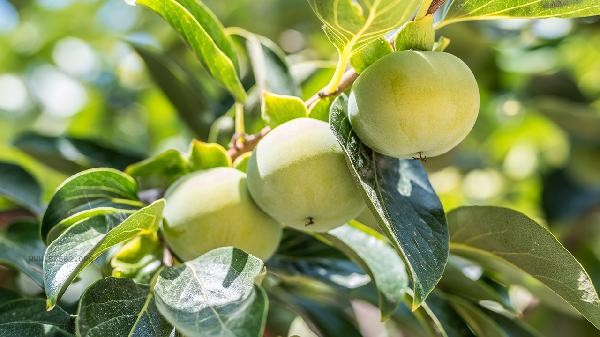
When purchasing persimmons in daily life, it is recommended to choose fruits with intact stems and uniform color. It is better to press fruits with slight elasticity and maturity. When consuming, control the single intake. For those with gastrointestinal sensitivity, it is recommended to consume after meals. Special groups such as diabetes patients need to pay attention to the high sugar content of persimmons, and those with renal insufficiency need to limit the intake of high potassium food. If severe discomfort occurs, seek medical attention promptly and avoid self induced vomiting or taking unknown medications.








Comments (0)
Leave a Comment
No comments yet
Be the first to share your thoughts!