
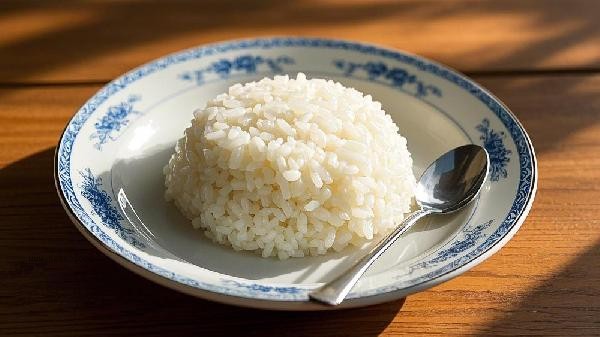
Eating white rice alone cannot meet the comprehensive nutritional needs of the human body, and long-term consumption alone may lead to nutritional imbalance. White rice mainly provides carbohydrates, but lacks essential nutrients such as high-quality protein, vitamins, minerals, and dietary fiber.
1. Carbohydrates as the main component
White rice is mainly composed of starch, which is a high glycemic index food that can quickly provide energy but has a short duration of satiety. During the processing, the outer layer of rice bran and germ were removed, resulting in a significant loss of B vitamins and dietary fiber, while only the starch in the endosperm was retained.
2. Low protein content
White rice contains only 2-3 grams of plant protein per 100 grams, and lacks essential amino acids such as lysine. Long term single intake can lead to insufficient muscle synthesis materials, affecting children's growth and development as well as adult tissue repair ability.
3. Trace nutrient deficiency
Refined processing makes white rice almost free of minerals such as iron, zinc, magnesium, etc., and the vitamin B1 content is less than 10% of brown rice. Long term deficiency of these nutrients may lead to anemia, weakened immunity, and neurological dysfunction.
4. Insufficient dietary fiber
Refined white rice contains almost no dietary fiber, and long-term consumption alone can easily cause constipation and increase the risk of intestinal diseases. The lack of dietary fiber can also affect blood sugar stability and cholesterol metabolism, which is not conducive to the prevention of chronic diseases.
5. Nutritional Matching Suggestions
It is recommended to pair white rice with beans, lean meat, and fish to supplement high-quality protein and iron elements. Add dark vegetables and algae to each meal to increase vitamin and mineral intake. Partially replacing white rice with brown rice and miscellaneous grains can enhance the supply of dietary fiber and B vitamins.
Daily diet should pay attention to diversifying staple foods, alternating between potatoes, whole grains, and white rice. When cooking, use the method of washing before soaking and reducing scrubbing to reduce nutrient loss. Special groups such as diabetes patients can choose mixed grain rice and control the single intake of 100-150g. It is recommended to cooperate with moderate exercise to promote nutrient absorption and utilization, conduct regular physical examinations to monitor nutritional status, and supplement multivitamin preparations under the guidance of a doctor if necessary.








Comments (0)
Leave a Comment
No comments yet
Be the first to share your thoughts!