
Persimmons that are astringent can be eaten, but persimmons that are not completely astringent may cause oral discomfort or indigestion. The astringency of persimmons is mainly related to high tannin content, and the tannin content of ripe or processed persimmons will decrease.
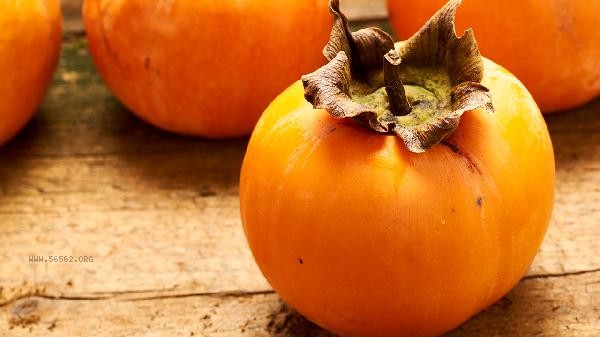
Immature persimmons contain a large amount of soluble tannins, which combine with oral salivary proteins to produce astringent astringency. These types of tannins may form clumps in the stomach acid environment and may increase gastrointestinal burden when combined with food residues. People with weaker gastrointestinal function may experience discomfort such as bloating and abdominal pain, and children and the elderly need to pay special attention to controlling their food intake. Traditional methods for removing astringency include soaking in warm water, alcohol ripening, or sealing with fruits such as apples, which can promote the conversion of tannins to an insoluble state. The tannin content of fully ripe persimmons or varieties that have undergone artificial de astringency is significantly reduced. When persimmons mature naturally on the tree, the flesh softens and turns orange red. At this time, tannins tend to aggregate and are less likely to produce astringency. Commercial varieties such as crispy persimmons are usually treated with carbon dioxide to remove astringency, and the structure of tannin cells has been disrupted. This kind of persimmon is suitable for direct consumption. Its rich pectin and vitamin A can help maintain mucosal health, but diabetes patients should still pay attention to controlling their intake.
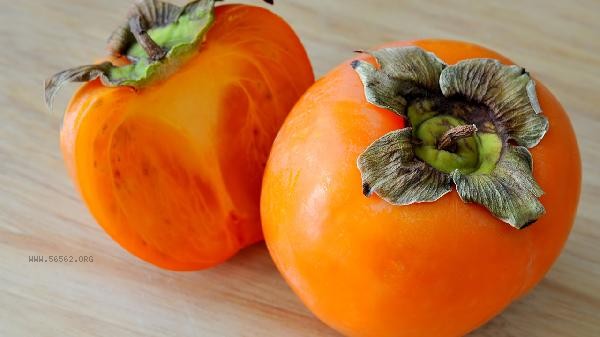
It is recommended to choose products that are fully ripe or clearly labeled as astringent when consuming persimmons, and avoid consuming them in large quantities on an empty stomach. People with gastrointestinal sensitivity can try peeling their skin in small amounts and stop eating immediately if discomfort occurs. Persimmons should not be eaten with high protein foods. The single consumption amount should be controlled within 200 grams, and pairing with fruits rich in vitamin C can help with tannin metabolism. Maintaining dietary diversity and incorporating persimmons as a seasonal autumn fruit in moderation into the diet is safer.








Comments (0)
Leave a Comment
No comments yet
Be the first to share your thoughts!